I am not a cook. I want to be clear about that before I write anything about Caribbean food, because the people who cooked the meals I am about to describe are more qualified than I am to write about them and are probably more articulate about the techniques. What I can do is describe eating them, which I did with the specific enthusiasm of someone who arrived in the Caribbean from three weeks of Atlantic crossing with an appetite that the passage had generated and that the market in St. George’s on a Saturday morning completely satisfied.
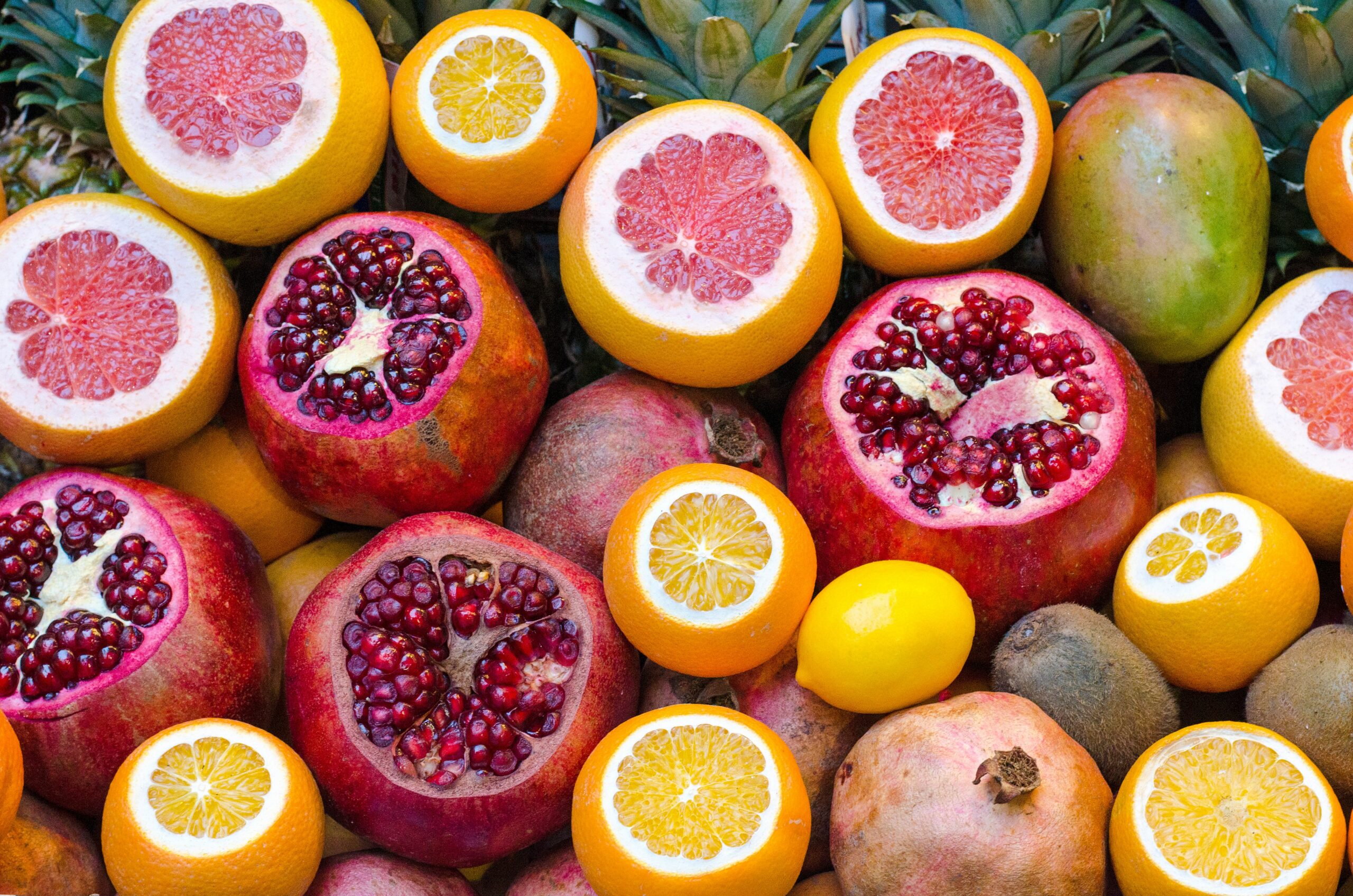
The Caribbean, specifically Grenada, is the Spice Island. This is not a tourist marketing claim. It is a geographical and historical fact: the island produces nutmeg, mace, cinnamon, cloves, turmeric, and bay leaves in quantities and qualities that made it the object of colonial competition for three centuries. The market in St. George’s sells all of these things directly from the people who grow them, in quantities suited to a boat’s galley rather than an industrial kitchen, and the price is so low relative to the quality that the chef came back from the first market visit with enough spice to last us to Panama and beyond.
What Grenada Did to Our Cooking
The week in Grenada changed the flavour profile of the boat’s kitchen for the entire Caribbean chapter. Not because we became a Caribbean kitchen, which we did not, but because the spices from the St. George’s market entered every dish for weeks afterwards: the nutmeg grated over a béchamel for a grilled fish dish, the cinnamon in the sweet potato preparation that accompanied the mahi-mahi we caught on the passage south to Trinidad, the cloves in the rum punch that appeared at the four o’clock aperitif on a Tuesday afternoon in the Grenadines when nothing particular had happened to justify it except that it was Tuesday afternoon in the Grenadines.
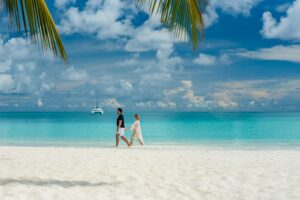
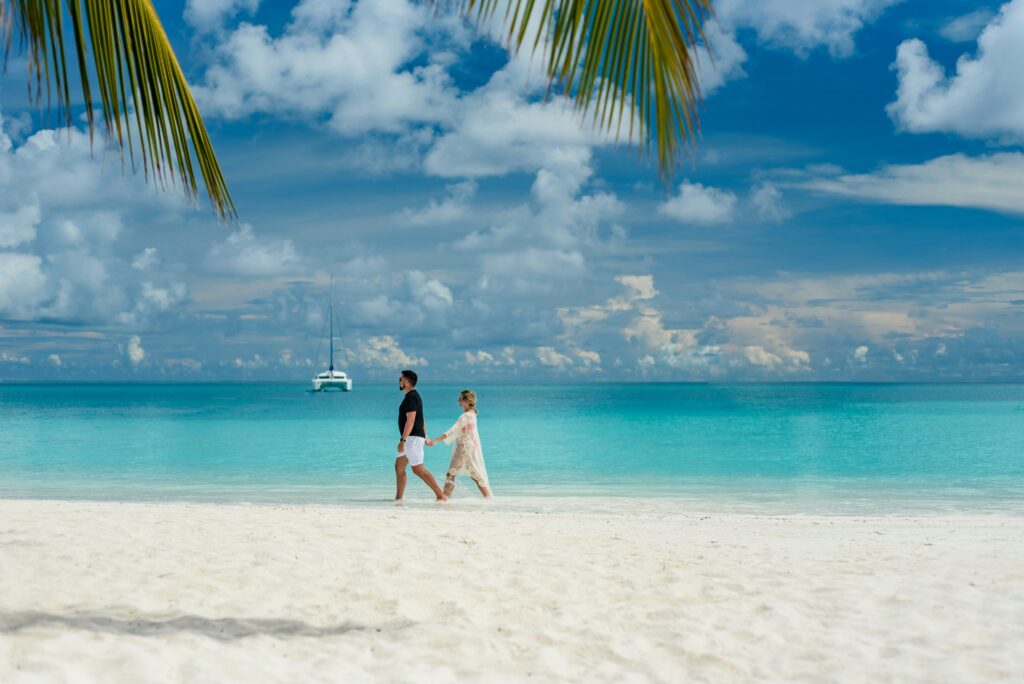
The rum is also from Grenada. River Antoine rum, distilled by the oldest functioning water-powered distillery in the Caribbean, is not a refined product. It is strong and raw and specific in the way that a thing made by the same method in the same place for several centuries tends to be specific. Our chef made a rum punch with it that used the Grenadian spices and the local lime juice and something else he declined to specify completely, and served it at the aperitif in the Tobago Cays anchorage while the water around the boat was the turquoise colour that turquoise was presumably named after. I have drunk rum punch since in bars and restaurants across two continents and none of them has been this rum punch in that anchorage on that afternoon. The location is part of the recipe.
The Scotch Bonnet
The scotch bonnet pepper is the defining heat of Caribbean cooking and it is not a metaphor. The Scoville rating of a scotch bonnet runs between 100,000 and 350,000 units, which places it well above the jalapeño and in the vicinity of the habanero, its close relative.
It is not a pepper to be cavalier with. Our chef is not cavalier with it. He uses it with the specific precision of someone who has learned the difference between the heat that adds and the heat that obliterates, and his scotch bonnet preparations across the Caribbean chapter added without obliterating in a way that I noticed and appreciated every time they appeared.
The specific preparation I remember most clearly was a jerk marinade for the yellowfin tuna we caught on the passage from St. Lucia to the Grenadines. Scotch bonnet, allspice, thyme from the deck garden, garlic, ginger, and several other things that went into a blender and came out as a paste that was applied to the fish and left for two hours before grilling.
The result was a dish that was recognisably jerk in character, recognisably tuna in texture, and entirely specific to the Naora kitchen in the way it balanced the Caribbean flavour tradition with the Pacific fish it was applied to. This is what I mean when I describe the Naora touch: not a recipe, but a specific intelligence about ingredients and how they work together.
Eating in the Grenadines
The Grenadines are the finest sailing in the Caribbean and among the finest eating, not because of what is available in restaurants, which are sparse outside the main islands, but because of what the sea produces and what the islands’ small farms and gardens provide to people who go looking for it. We anchored in Mayreau and found a woman selling lobster from a cooler on the beach. We anchored in Union Island and found a man with a bag of crayfish he had caught that morning. We anchored in Carriacou and found the goat stew that the island has been making for as long as anyone can remember, served from a kitchen attached to a rum shop that was not trying to be a restaurant and was better for it.
The Caribbean eating, at its best, comes from exactly these encounters. The ingredient produced locally, found by someone who went looking rather than waiting to be served, and prepared by a chef who understands what it is and what it wants. The lobster from the cooler on the Mayreau beach was grilled that evening over the portable grill on the afterdeck. It was the best lobster I have eaten. The setting was a significant part of why.