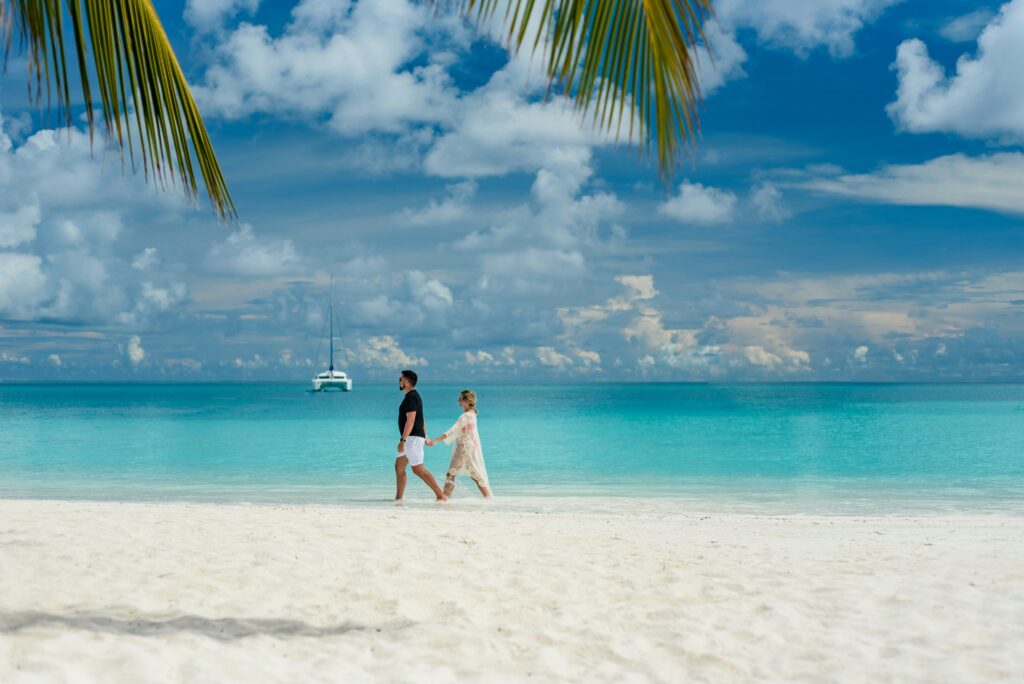
The airport arrival is efficient. You are there and then you are here and the transition is managed by infrastructure: the gate, the baggage belt, the taxi, the hotel lobby. The place appears around you already fully formed, already presented, already waiting to be experienced. You did not approach it. You were deposited into it. And something about that deposition, however comfortable, produces a specific quality of dislocation that most travellers have stopped noticing because they have been experiencing it for their entire adult lives.
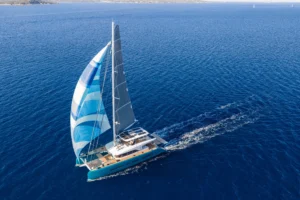
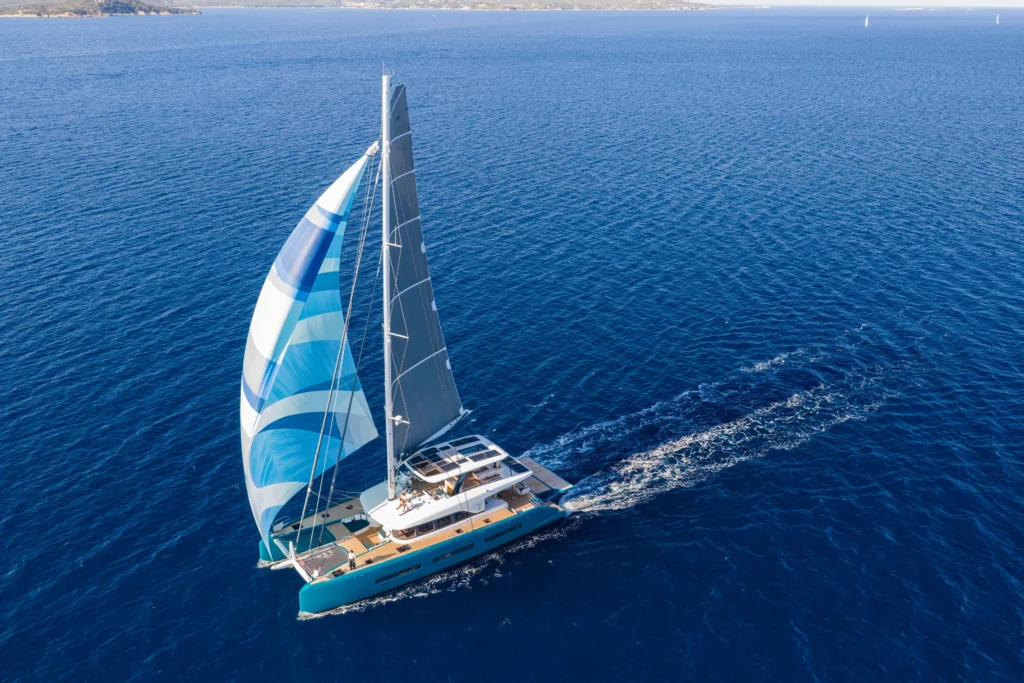
The arrival by sea is different at every level. It begins hours before the arrival itself, with the approach: the landmass appearing on the horizon as a shadow, then a shape, then a colour, then a texture as the boat gets closer and the details resolve. You have time to see the place coming toward you, to understand its geography before you are inside it, to prepare yourself for the transition from open water to anchorage or harbour in a way that no airport transfer allows.
The Smell of Land
The smell of land after an ocean crossing is one of those experiences that people who have had it describe immediately and specifically and that people who have not had it find difficult to fully picture. After three weeks at sea, the air has been pure ocean: salt, wind, the specific clean emptiness of open water with nothing biological in it except the plankton and the birds. When land is still twenty miles away on a downwind approach, something changes in the air. The green smell of vegetation. The soil underneath it. The specific combination of organic matter and humidity that the ocean does not produce and that the nose, after weeks of absence, registers with an intensity that is slightly overwhelming.
By the time the anchor goes down, you have been in the presence of the land for hours through its smell. The arrival is already complete before the boat stops moving. This is the arrival that the airport cannot provide: the gradual, olfactory, sensory approach that gives the body time to register the transition rather than being surprised by it.
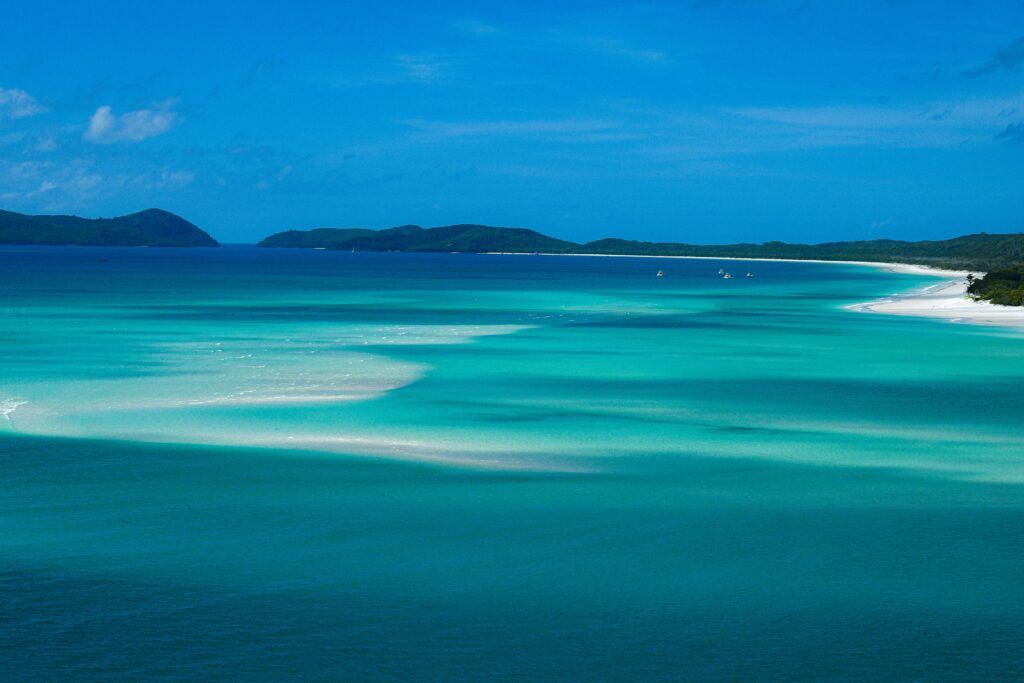
The Landfall
The Pacific landfall at the Marquesas is the arrival that most Naora members describe as the most significant of the voyage, and it is significant specifically because of what preceded it. Three weeks of open ocean. No land in any direction for most of that time. The daily GPS position showing the progress that does not look like progress because the horizon is the same in all directions and the destination remains invisible and theoretical for week after week.
And then: a cloud formation on the horizon that is stationary. In the tropics, cumulus builds over land during the day as the heated island creates convection, and a fixed cloud in an otherwise clear sky over open ocean is almost always land. The watch crew calls it. Everyone comes on deck. The cloud is there and it is not moving and the GPS confirms what it suggests: the Marquesas are forty miles ahead.
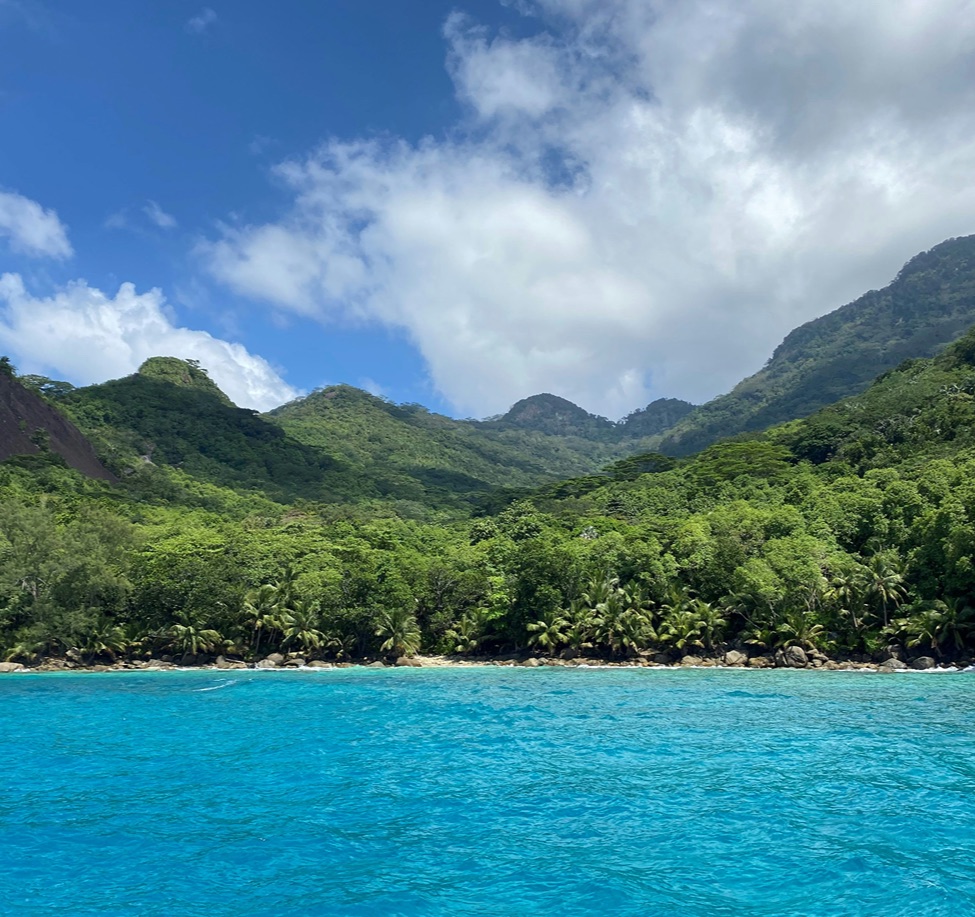
By the afternoon the mountains are visible: volcanic peaks rising from the ocean to 1,000 metres, green and dramatic, arriving out of the blue in a way that the map does not prepare you for because the map is flat and the reality is vertical. By the evening the anchor is down in the bay at Nuku Hiva and the swell has stopped and the boat is still and the smell of the island, frangipani and vegetation and the specific tropical earth of a volcanic island, is coming across the water in the cooling air.
This arrival was earned. Every mile of the crossing, every watch rotation, every night of running before the trade wind toward something that was a number on the GPS for three weeks: all of it paid for this. The airport cannot produce this feeling because the airport charges nothing. The landfall costs the crossing, and the crossing is exactly what makes it worth everything.
The Small Arrivals
Not every arrival on the Naora route is a Pacific landfall. Most of them are smaller: the rounding of a headland to reveal a bay that was not visible from the previous anchorage, the entry through a Tuamotu pass into a lagoon that looks nothing like open ocean, the approach to a Croatian village at dusk with the lights coming on in the houses above the harbour. These smaller arrivals accumulate into something important. They train a specific quality of attention to the act of arriving, a habit of actually receiving a new place rather than moving through it toward the next one.
The Anchor Moment, the brief collective pause that the Naora Circle observes when the boat arrives somewhere new, exists because of this. It is not a ceremony. It is an instruction to receive. To be present for the specific minute when this anchorage is new and the place is revealing itself for the first time. That minute, attended to properly, is the beginning of understanding a place rather than visiting it.