Slow travel has become a marketing term. You will find it on the websites of boutique hotels and curated tour operators and weekend retreats that are slow in the sense of being unhurried rather than slow in any sense that actually changes what the travel produces. We use the term in a different sense, and we want to be specific about the difference because the difference is what the Naora experience is actually built around.
Slow travel, as we practise it, is not a pace. It is a relationship with place. It is the decision to stay long enough for a place to become something other than a destination, and to move when the place has given what it has to give rather than when the schedule runs out. This sounds simple and is, in practice, one of the most radical things the sailing life offers in a world that has organised almost everything around the efficient consumption of experience.
The Difference Between Visiting and Understanding
There is a specific transition that happens when you stay in a place long enough. On the first day, you are a visitor. The place is presenting itself to you in the way that all places present themselves to visitors: the obvious beauty, the accessible restaurants, the manageable version of itself that exists on the surface and that most tourists mistake for the whole thing.
On the third day, something shifts. You have been to the market twice. You have learned which bay has the better snorkelling and which has the better morning light. You know that the afternoon wind comes around the headland at three, which means the tender trip ashore is better done before two or after five. You have seen the fishermen go out twice and come back once with a lot and once with a little, and you have noticed that the successful morning was the one where the weather did a specific thing the evening before.
By day five, the place is no longer a destination. It has become a context: something you are inside rather than visiting. The specific quality of this transition, from observer to inhabitant, is what slow travel in the Naora sense actually produces. And it is only available to people who are still there on day five, which means it is not available on a charter week, and not available on a tour itinerary, and not available on any model of travel that defines success as the number of places visited rather than the depth to which any one of them is understood.
What the Boat Makes Possible
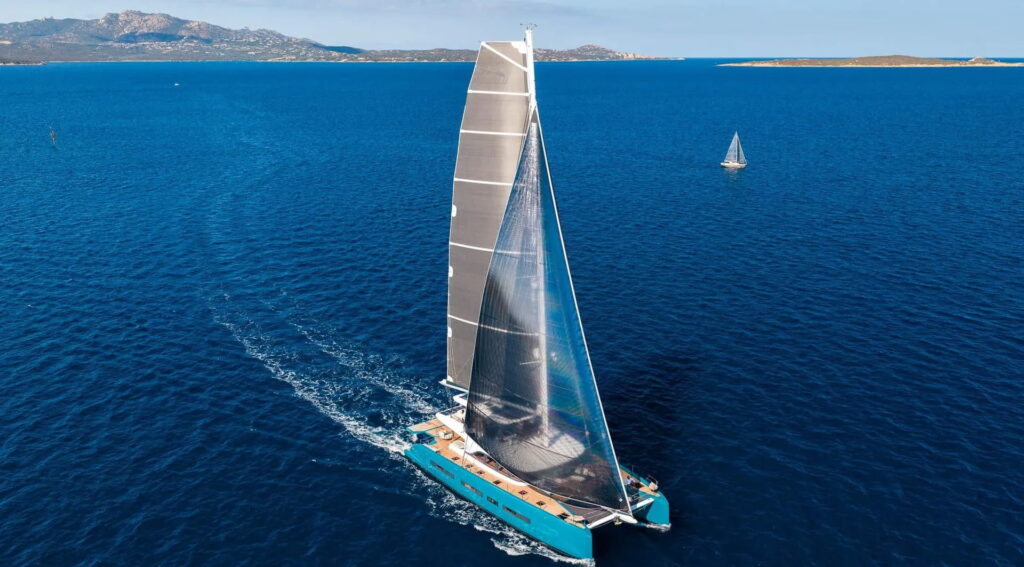
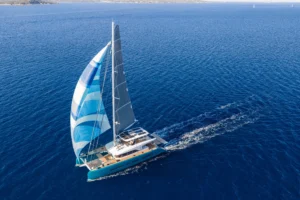
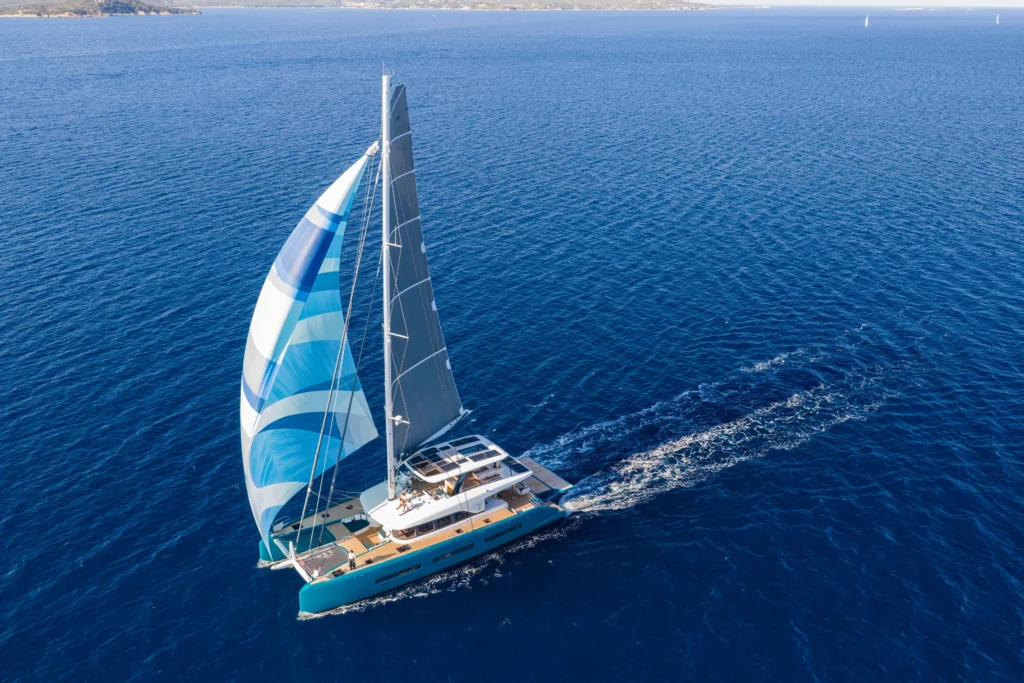
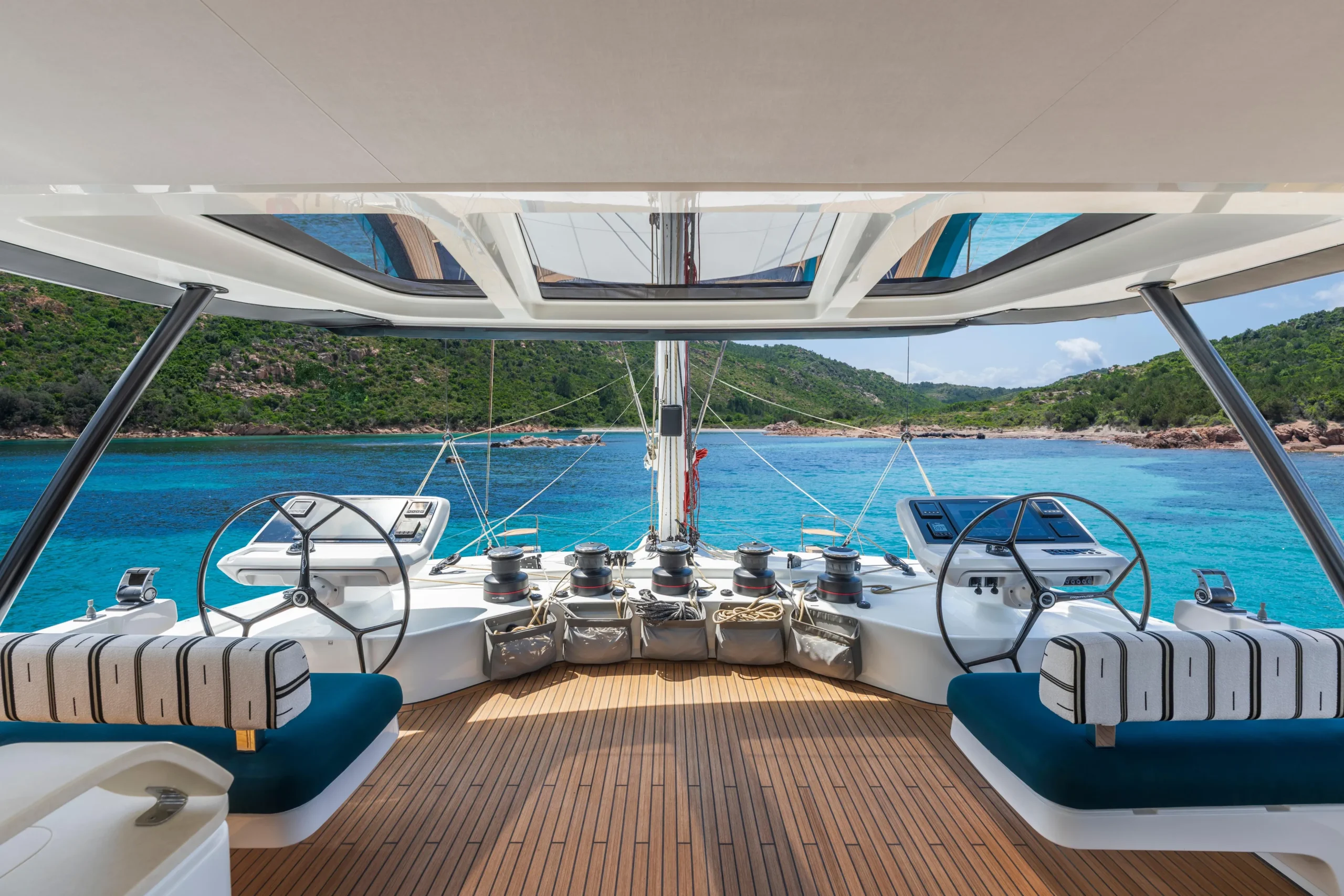
The boat makes slow travel possible in a specific way that hotels and rental accommodation do not. When the Eighty2 is anchored in a bay, the boat is home. The food is prepared aboard from what was provisioned locally. The decision about when to move is made by the crew based on the conditions and the assessment of whether this place has more to offer, not by a checkout time or a hotel booking elsewhere. The boat brings the comfort of home to the remoteness of the destination, which means there is no practical reason to leave a place simply because a hotel room somewhere else is waiting.
This changes the relationship with every destination. A bay that, from a hotel, would be a day trip becomes, from the anchored boat, a several-day residence. The morning swim from the stern. The afternoon dive on the reef that only reveals its best side in a specific swell condition that takes a day of patience to produce. The conversation with the fisherman at the landing that develops, over three mornings, into an invitation to the village feast that is happening on Saturday.
None of these things are available to the visitor who is passing through. They are available to the person who is there
What Slow Travel Is Not
Slow travel, in the Naora sense, is not inactivity. The days are full: passages, diving, shore excursions, market visits, running on the coastal paths, the Long Table in the evenings, the conversations that develop between people who have been in the same context for long enough that the surface layer of social interaction has been replaced by something more honest. Slow travel does not mean quiet days of nothing. It means days full of the right things, in the right place, at the pace the place requires.
It is also not self-indulgent in the sense of prioritising comfort over engagement. The places that slow travel reveals most clearly are not always comfortable. The Banda Islands, accessible after a demanding offshore passage through the Banda Sea, are remote in ways that require genuine preparation and genuine self-sufficiency. The outer atolls of the Tuamotu, where the slow travel means spending a week in a lagoon with no facilities and no communication, require a specific relationship with isolation that not everyone finds comfortable. Slow travel, when practised seriously, takes you to the places that are only available to people who are willing to be genuinely somewhere rather than passing through.
This is the version of slow travel that Naora is built around. Not the curated unhurriedness of a boutique hotel with better wifi and locally sourced breakfast. The actual staying. The actual understanding. The actual presence in an actual place for long enough that the place becomes real rather than scenic. That is what we mean by slow travel, and it is what the five-year circumnavigation, at the pace the route requires, makes possible in a way that almost nothing else does.Slow travel is not a pace. It is a relationship with place. Here is what Naora means by slow travel: the transition from visitor to inhabitant, what the anchored boat makes possible that hotels cannot, and why the five-year circumnavigation is built around the pace the places actually deserve.