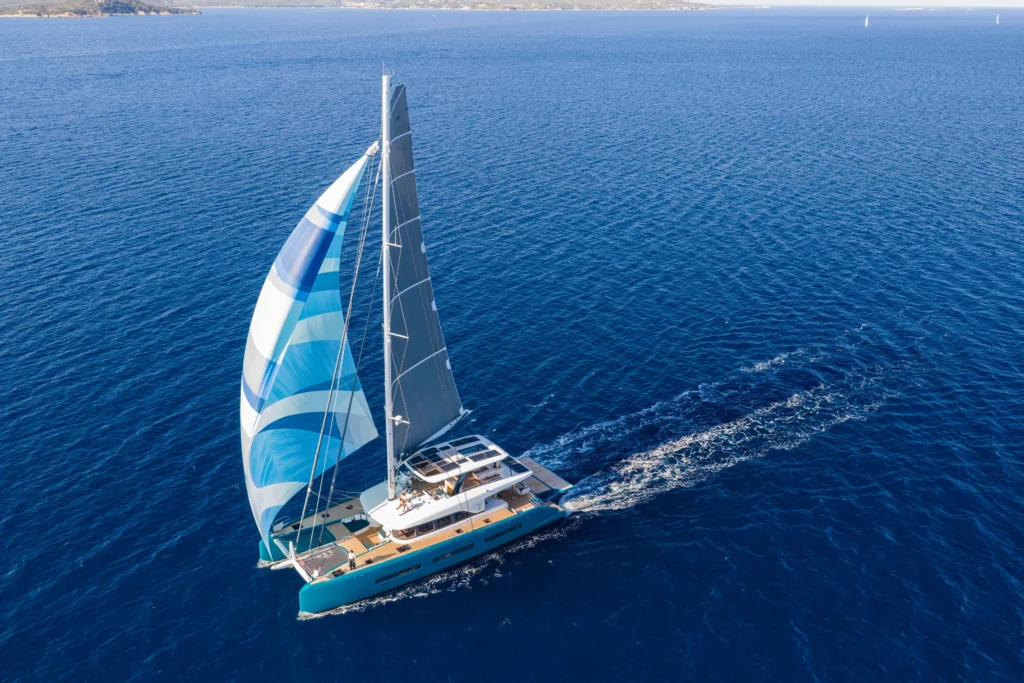
A vessel of this size and complexity, sailing a five-year circumnavigation with a rotating community of ten to twelve members aboard, does not function on goodwill and enthusiasm. It functions because the people running it know what they are doing. I want to write about the crew of the Eighty2 honestly, not in the way that a brochure describes crew, which is to say not in the language of qualifications and certifications, but in the way that a captain describes the people he depends on: specifically, with the acknowledgment that the quality of the voyage is inseparable from the quality of the people delivering it.
What a Crew Actually Does
The crew of a vessel like the Eighty2 operates across three distinct domains simultaneously, and the people who do it well are the ones who understand all three without reducing any one of them to a job description.
The first domain is the sailing itself: navigation, watch-keeping, sail handling, anchoring, berthing, weather routing, maintenance. This is the technical core of the operation and it requires genuine competence at every level. On a passage, the watch system runs 24 hours a day and the crew manages it without the captain needing to be present for every decision. This means a level of offshore competence that goes well beyond basic sailing qualification: the ability to read conditions and respond correctly, to manage a situation that develops unexpectedly in the night, to make the right call about when to wake the captain and when to handle it independently.
The second domain is hospitality, in the deepest sense of that word. Not service in the transactional sense, but the genuine care for the people aboard that makes the boat a place where members feel completely at home from the first day.
The stewardess manages the cabins, the communal spaces, the thousand small details of living well aboard a vessel that is always moving. The chef manages the food with the same professionalism that a good restaurant brings to its kitchen, adapted for a galley that moves and for provisioning that happens in markets rather than from a supply chain. Both of these people carry a significant part of the quality of the experience that members describe when they come back from a Naora voyage.
The third domain is community: the ability to be present with the members as human beings, not as guests to be managed. This is the hardest thing to describe and the most important thing to get right. A crew that is technically excellent but socially distant produces a voyage that functions perfectly and feels impersonal. A crew that understands that the members are people who have left real lives to be here, who are processing things and seeking something and deserve to be met with genuine attention, produces something entirely different. The best crew I have worked with understands that the third domain is not separate from the first two. It is what makes all of it worth doing.
What I Look For
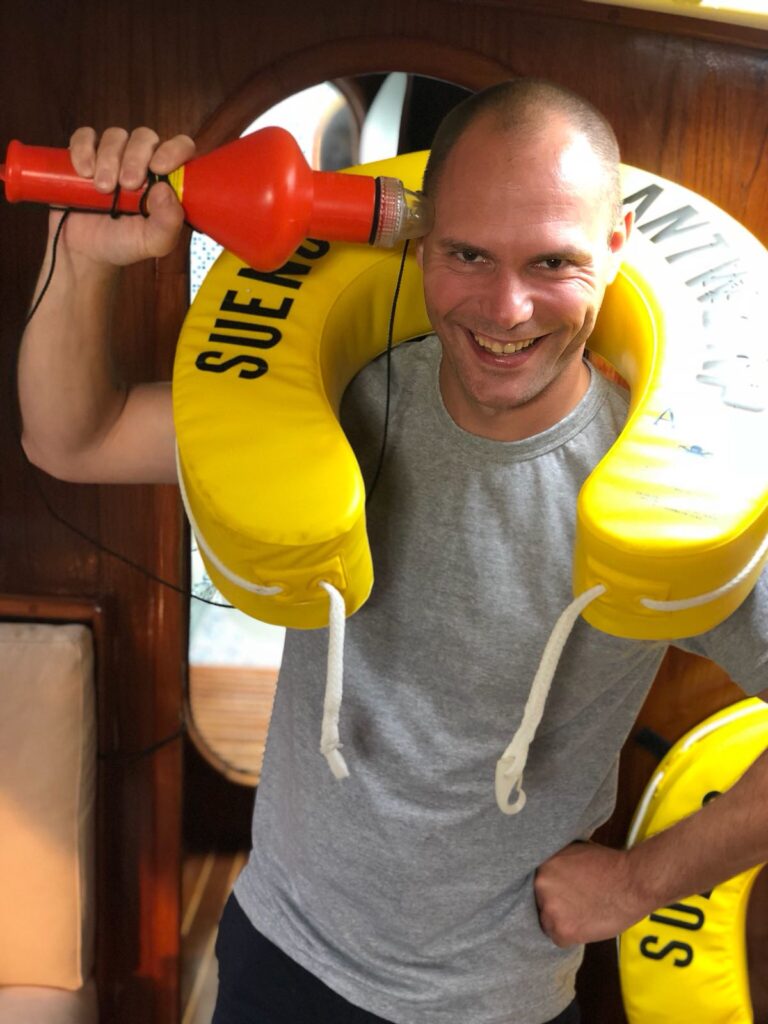
When I put a crew together for a passage or a season, the qualifications matter but they are the starting point rather than the endpoint of the assessment. A Master Mariner certificate tells me that someone has the theoretical and examined knowledge to manage a vessel at sea. It does not tell me how they respond when the autopilot fails at 0300 on the third night of an Atlantic crossing, when they have been on watch for three hours and they are tired and the solution is not immediately obvious. That response comes from character, from experience, and from the specific kind of calm that either someone has or they do not.
I look for people who are comfortable with responsibility without needing to perform it. Who can manage a complex situation quietly and effectively without making the members aware that anything required management. Who are interested in the places we visit and the people we encounter in them, because that interest is genuine and it communicates. Who are kind, without being servile. Who can sit in the flybridge on a calm afternoon and be simply present without needing to fill the silence.
The chef is a specific case. Good galley cooking requires a specific adaptation of culinary skills: everything that works in a restaurant kitchen has to be rethought for a space the size of a large cupboard that is occasionally at a twenty-degree angle. The finest chefs I have had aboard on Naora passages were the ones who found this challenge interesting rather than limiting.
The constraint of the galley, the freshness of the ingredients from the fishing line and the local markets, the specific requirements of cooking for people who are expending real physical energy at sea: these are creative constraints, and the chefs who work well with them produce food that would be impossible to replicate on land.
What the Crew Carries That Members Do Not See
Every member who comes aboard Naora for a week or a month experiences the voyage as something that unfolds naturally and without apparent effort. The anchorage is always in the right place. The meals appear at the right times. The watch rotation runs without members needing to think about it. The boat arrives in each port with the paperwork already done and the berth already arranged.
What makes this possible is invisible by design. The planning that went into the passage timing. The maintenance that was done in the last port while members were ashore. The specific local knowledge that selected this anchorage rather than the three others in the same bay. The customs and immigration preparation that means no delays on arrival. The conversation with the local fisherman in the morning that produced the catch for tonight’s dinner.
The crew carries all of this. Not as a burden, but as the specific satisfaction of people who are very good at something that matters and who are doing it in one of the most extraordinary contexts available. That satisfaction is visible if you know what to look for. The chef who comes back from the market in Palermo with something specific that he has been thinking about since the last time we were here. The mate who has timed the tide at the pass to within ten minutes and explains it to whoever is interested. The stewardess who knows, without being told, that the member in the forward cabin needs quiet in the morning and has managed the breakfast service accordingly.