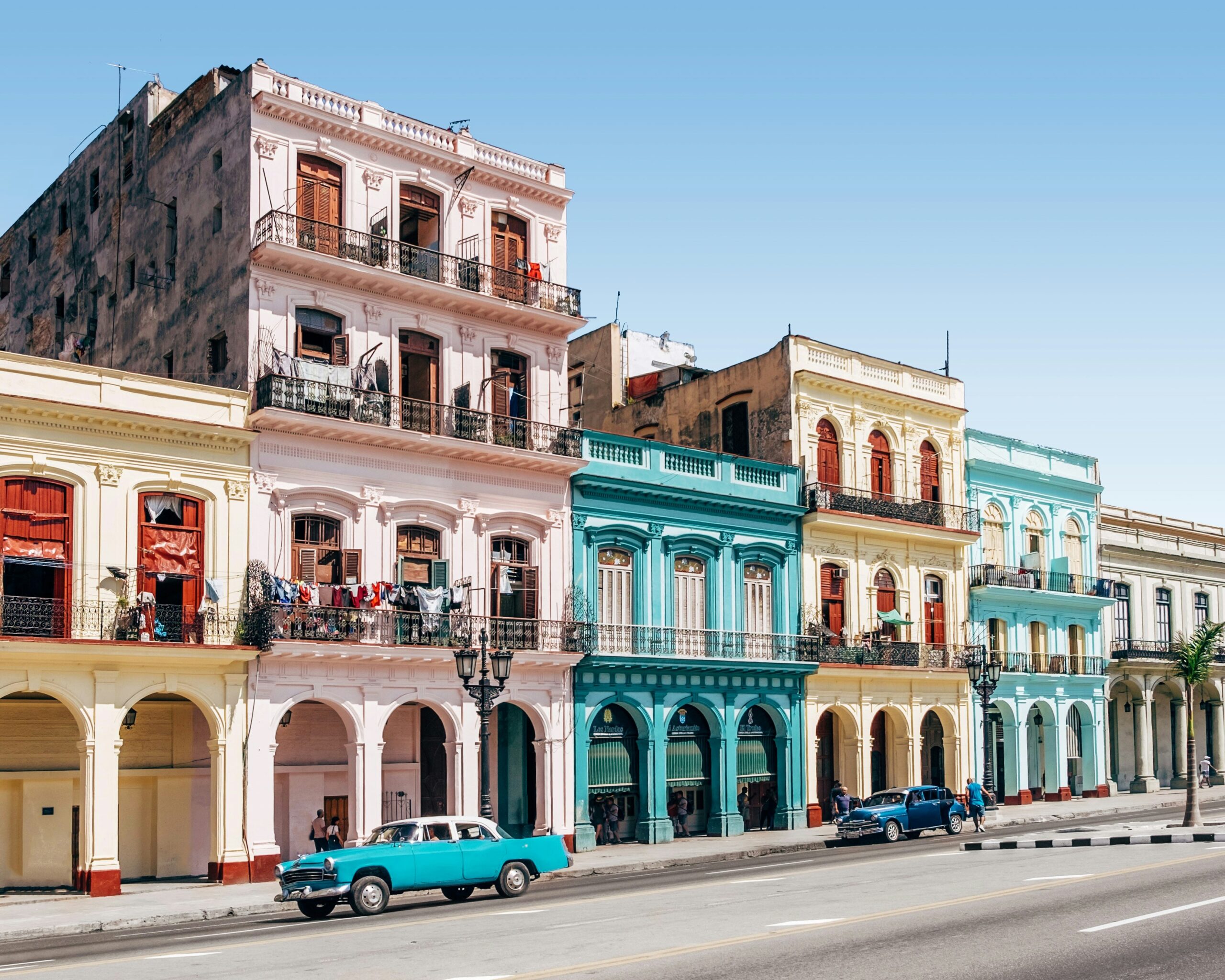
The Caribbean has a reputation problem among sailors who know it well. The anchorages are beautiful, the water is warm, the sailing between islands is the best in the Atlantic. But the Caribbean that most visiting boats see, the beach bars and the charter yacht quays and the restaurants with laminated menus in four languages, is not the Caribbean that actually exists on these islands. It is the layer that was built over it for people who do not stay long enough to find what is underneath.
We stay long enough. And what is underneath is extraordinary. This is what I try to show every member who joins us in the Caribbean: the real islands, the ones that have been here since before anyone thought of building a resort on them.
Grenada: Marktdag in St. George’s
St. George’s is one of the most beautiful harbour towns in the Caribbean and it is almost never described that way because it is also a working city. The horseshoe harbour surrounded by Georgian colonial architecture, the fort on the hill above it, the covered market that has been in the same location since the 18th century: these are not tourist attractions. They are the city going about its business, and visitors are welcome as long as they are willing to be part of the rhythm rather than observers of it.
The Saturday market in St. George’s starts before six in the morning. Nutmeg, mace, cinnamon, turmeric, cocoa, bay leaves: Grenada is the Spice Island of the Caribbean and the market reflects that. We bring empty bags and fill them. Our chef spends two hours here on provisioning days and comes back to the boat with a different quality of ingredients for the next week of meals. I have been coming to this market since I was a teenager and it is still one of my favourite places on the entire circumnavigation.
St. Lucia: The Drive to Soufrière
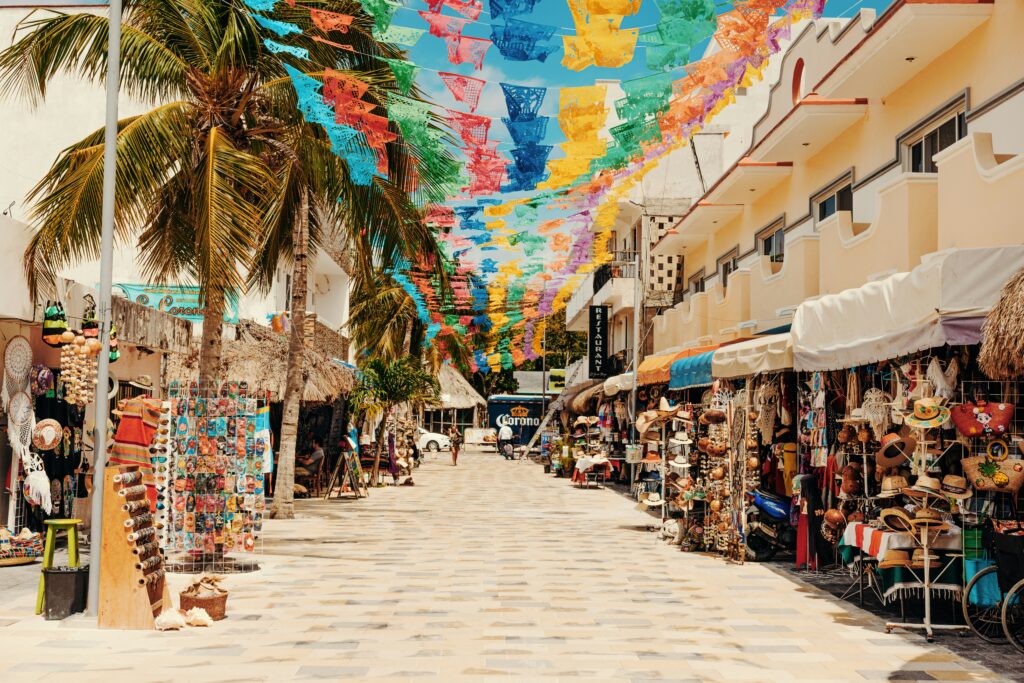
The Pitons are the image that everyone associates with St. Lucia: two volcanic peaks rising from the sea at the southern end of the island, perfectly symmetrical, covered in rainforest right to the waterline. We anchor in the bay between them and go ashore at Soufrière, the small town at their base, which has the specific sleepy charm of a Caribbean town that the tourist industry has not fully arrived in yet.
What most people do not do from this anchorage is take the drive to the Sulphur Springs: the world’s only drive-in volcano, where the road ends in a car park at the edge of a live volcanic crater and the sulphurous steam rises continuously from the mud pools below. It is deeply strange and completely worth the forty-five minutes. The rainforest canopy above the road on the way there and back is one of the finest drives on any Caribbean island, and we stop when we see something interesting, which is often.
Dominica: The Kalinago
I have written about Dominica before in the context of the diving at Champagne Reef. But the most significant experience I have had on this island has nothing to do with the water. It is the visit to the Kalinago Territory on the eastern coast.
The Kalinago are the last surviving indigenous Caribbean people, descended directly from the communities that inhabited these islands before European contact. They live in a territory on Dominica’s rugged Atlantic coast that was formally designated for them in 1903, and they receive visitors with a dignity and a pride that reflects five centuries of surviving things that were designed to eliminate them.
The crafts, the architecture, the food, the relationship with the forest and the sea: this is a living culture, not a reconstruction, and the experience of spending an afternoon with it changes how you think about the word Caribbean for a long time afterwards.
We always go to the Kalinago Territory when we are in Dominica. I always come back from it quieter than I left.
The Rum Shop
Every Caribbean island has a rum shop. Not the tiki bar on the beach with the laminated cocktail menu. The actual rum shop: a small wooden building, sometimes with no sign, where the local rum comes in a glass with ice and the conversation is in Creole and the dominoes game at the back table has been going since the afternoon. These are not places that announce themselves to visiting sailors. They are places you find by walking away from the quay and turning down the right street.
My father introduced me to the rum shop principle when I was old enough to drink and young enough to think I already knew the Caribbean. He was right that I did not know it yet. The rum shop is where the island reveals itself in the way that no anchorage or restaurant can. The people who drink there are not performing Caribbean life for visitors. They are simply living it, and if you sit quietly and order what they are drinking and do not try to make it into an experience, it becomes one anyway.