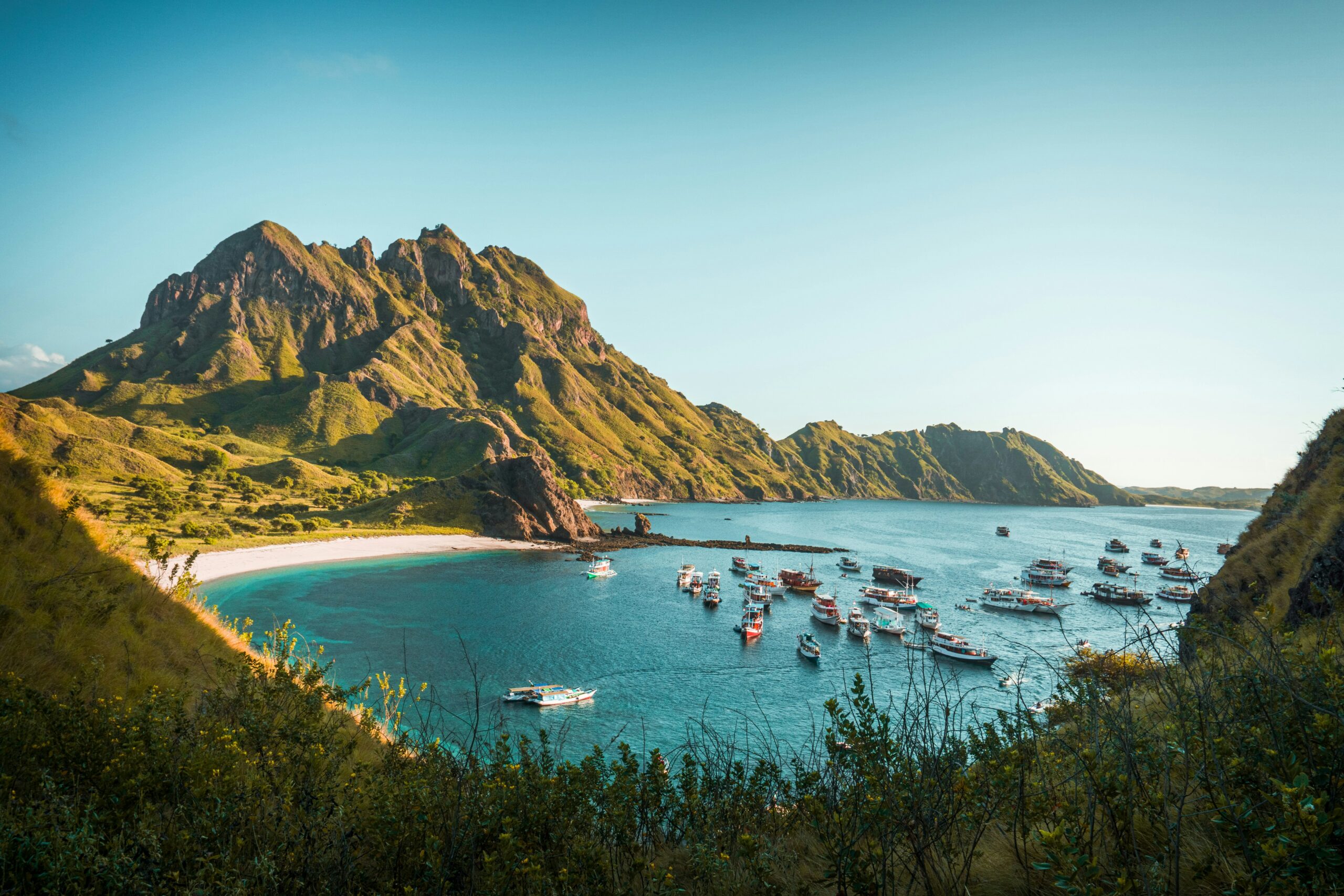
The komodo dragon is the largest lizard on earth. It can reach three metres in length and weigh up to 70 kilograms. It hunts deer and wild pigs and water buffalo. It has been known to kill humans. When you see one for the first time on Rinca Island, walking along the path toward the ranger station with its prehistoric gait and its forked tongue tasting the air, the correct response is a specific kind of attentiveness that I think of as respectful fear. Not panic.
Not the thrill-seeking bravado that some visitors perform when they see one. Something quieter and more honest: an acknowledgment that you are in the presence of an apex predator that has been here for millions of years and that does not particularly need you to be here at all.
My father and I have been to Komodo National Park three times now. I am still not entirely comfortable on Rinca. I think that is the appropriate response.
Rinca vs Komodo: Where We Go
Komodo National Park has two main islands where dragons can be observed: Komodo Island itself and Rinca Island. Rinca is our preference and the reason is simple: it sees fewer visitors than Komodo and the dragon population is slightly more accessible. The walk from the ranger station into the interior takes you through dry savanna grassland that looks nothing like the tropical Indonesia most people imagine, and the dragons that you encounter along the way are going about their actual lives rather than congregating near a food source. You see them eating.
You see them lying in the shade of the wait-a-while scrub. You see one, on a particularly memorable visit, taking a water buffalo that had come to the dry season waterhole. That last event required us to stand very still for quite a long time while the naturalist guide made some very specific suggestions about not moving suddenly.
The Diving: Why the Water Here Is as Extraordinary as the Land
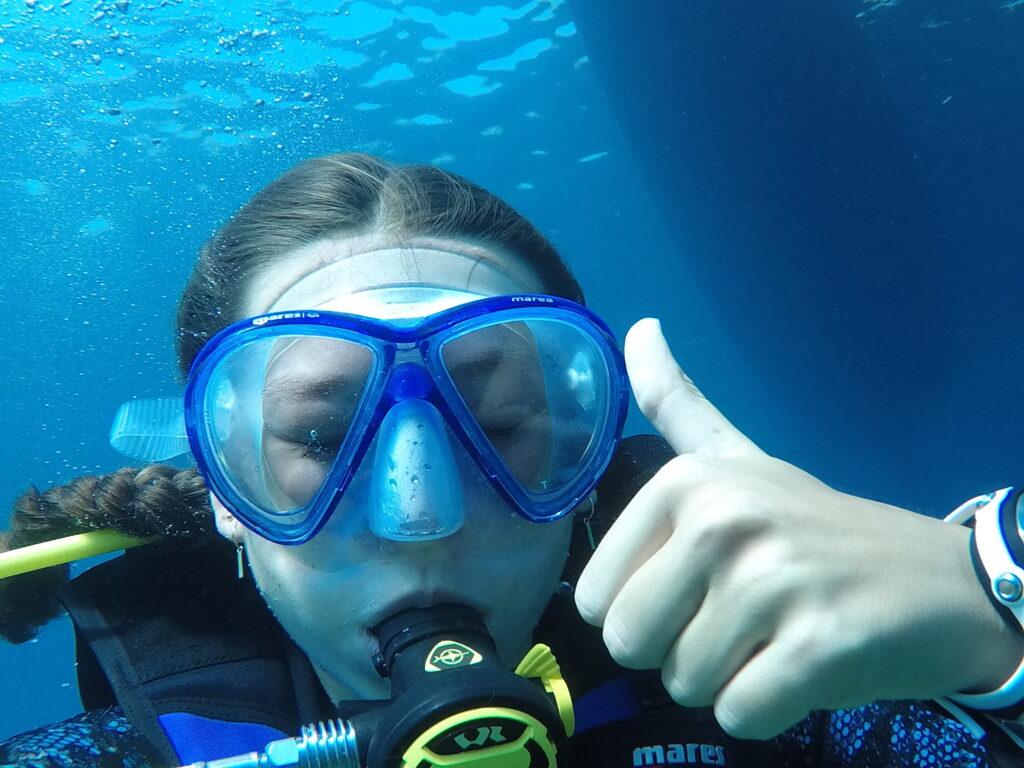
Most people who visit Komodo come for the dragons. We come for the dragons and the diving, and the diving is the reason that some members who have no particular interest in large reptiles join us specifically for the Komodo leg.
The park sits at the confluence of the Pacific and Indian Ocean water masses, which creates a nutrient upwelling that drives extraordinary marine productivity. The manta ray populations at Komodo are among the highest density recorded anywhere on earth.
On a good dive at Manta Point or at the cleaning stations along the reef walls, you can have fifteen to twenty mantas in the water with you at the same time, circling the cleaning station with the effortless gliding motion of animals that weigh several hundred kilograms and move as though weight is a concept that applies to other things.
My father led the dives on our last Komodo visit and I have never felt more simultaneously privileged and small than I did in the water at Manta Point with twenty mantas in the current. They were aware of us. They moved around us rather than through us. But they were not doing it for our benefit. We were a minor obstacle in a feeding routine that has been happening at this location for longer than our family has been sailing.
The currents at Komodo require respect and experience. They run at several knots through the channels between islands and the timing of dives must account for the tidal flow. My father plans every Komodo dive around the specific current state, and members are briefed on what to expect before they enter the water. It is demanding diving. The rewards are proportional.
Pink Beach
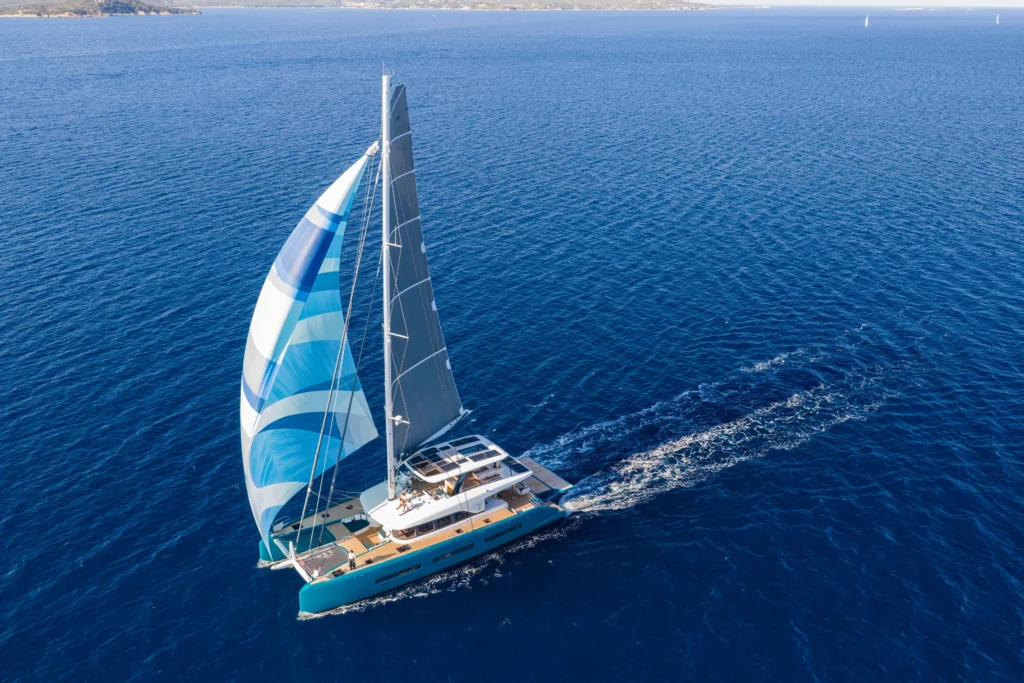
In between the dragons and the diving, there is Pink Beach. One of a handful of pink sand beaches in the world, the colour produced by fragments of red coral mixed into the white sand, on a small island in the northern part of the national park. We anchor off it in the afternoon when the day’s diving is done and the visit to Rinca is behind us. Nobody is usually there. The water is clear and warm and the coral in the shallows is extraordinary in the late light. It is the kind of place that you would not believe was real if you had not seen it, and that you struggle to describe accurately to anyone who has not.