My father has a habit that I noticed when I was still small enough to sit on his shoulders in a market. Whenever we arrive in a new port in Europe, he walks away from the marina. Not toward the chandleries or the tourist restaurants or the waterfront bars that exist in every sailing town from Turkey to Spain. He walks into the city. Into the part of it that was there before anyone decided to make it attractive to visitors.
I grew up doing the same. And now, when members join us in European waters and we go ashore together, that is the walk we take. Away from the water, up the hill, through the market, into the neighbourhood that does not appear in the photographs.
This article is about those walks. The cities behind the anchorages that I know because we have been coming back to them for years, sometimes for decades, and that I want to share with everyone who joins us in European waters.
Bodrum: The Town Behind the Castle
We start every Mediterranean season in Bodrum, which means I have arrived there more times than I can count. The tourist version of Bodrum is the white-walled restaurants and the nightclubs and the gulet harbour. The real Bodrum is the old town behind it: the fish market that opens at five in the morning, the tea gardens where the fishermen sit after offloading, the streets of Ottoman architecture that the gentrification has not yet entirely reached.
The Castle of St. Peter, which the Knights of Rhodes built in the 15th century and which now houses one of the finest underwater archaeology museums in the world, is one of my favourite places to spend an afternoon. The bronze age shipwrecks, the amphora collections, the specific quality of light in the museum’s courtyard in the late afternoon. I have been there perhaps twenty times and I still find something I had not noticed before.
When we go ashore in Bodrum with members, I take them to the market first. Then up to the castle. Then to the teahouse in the old bazaar where the tea comes in tulip glasses and nobody cares how long you sit there. The evening, if we time it right, ends on the waterfront watching the sun set behind the Greek island of Kos with something cold in hand. It is not a complicated evening. It is a very good one.
Palermo: The Market That Has Not Changed
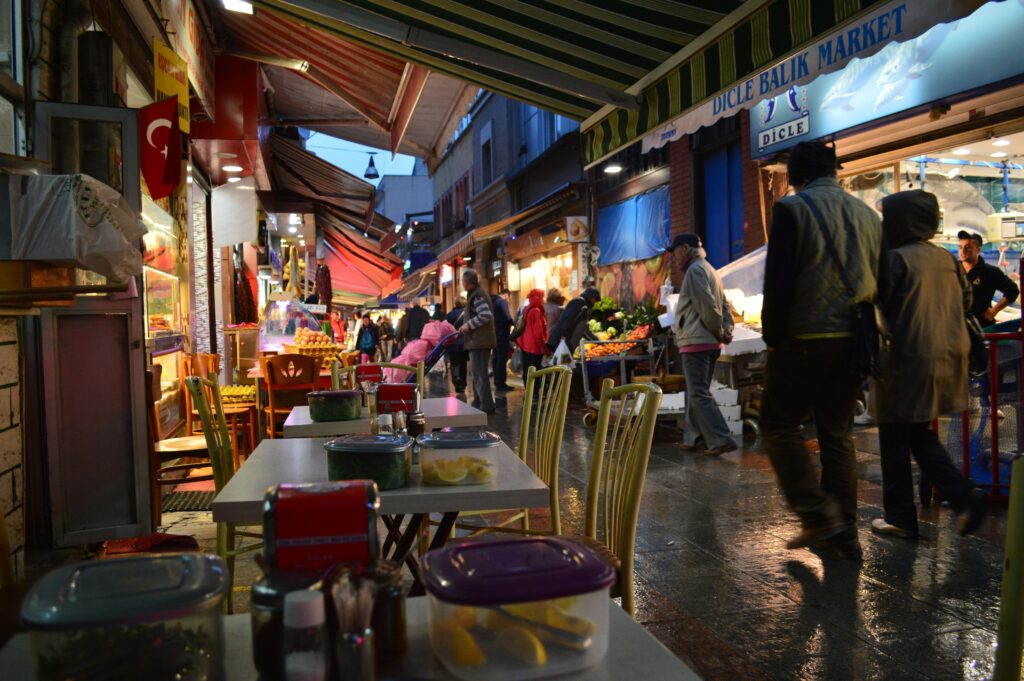
Palermo’s Ballarò market is one of the oldest street markets in Europe. It has been in the same location for more than a thousand years and it looks and sounds and smells like something that was designed specifically to make you understand how food should be. Swordfish heads the size of a child. Octopuses draped over ice. Aubergines and tomatoes and artichokes that arrived from the farms outside the city that morning. The vendors calling prices in Sicilian dialect. The light coming down between the buildings at an angle that makes everything look like a painting.
We provision here whenever we are in Palermo. Our chef comes with us and I come with him and we spend the morning moving through the stalls and making decisions. The evening meal is always extraordinary when it starts in Ballarò at seven in the morning.
Dubrovnik: Before the Day Starts
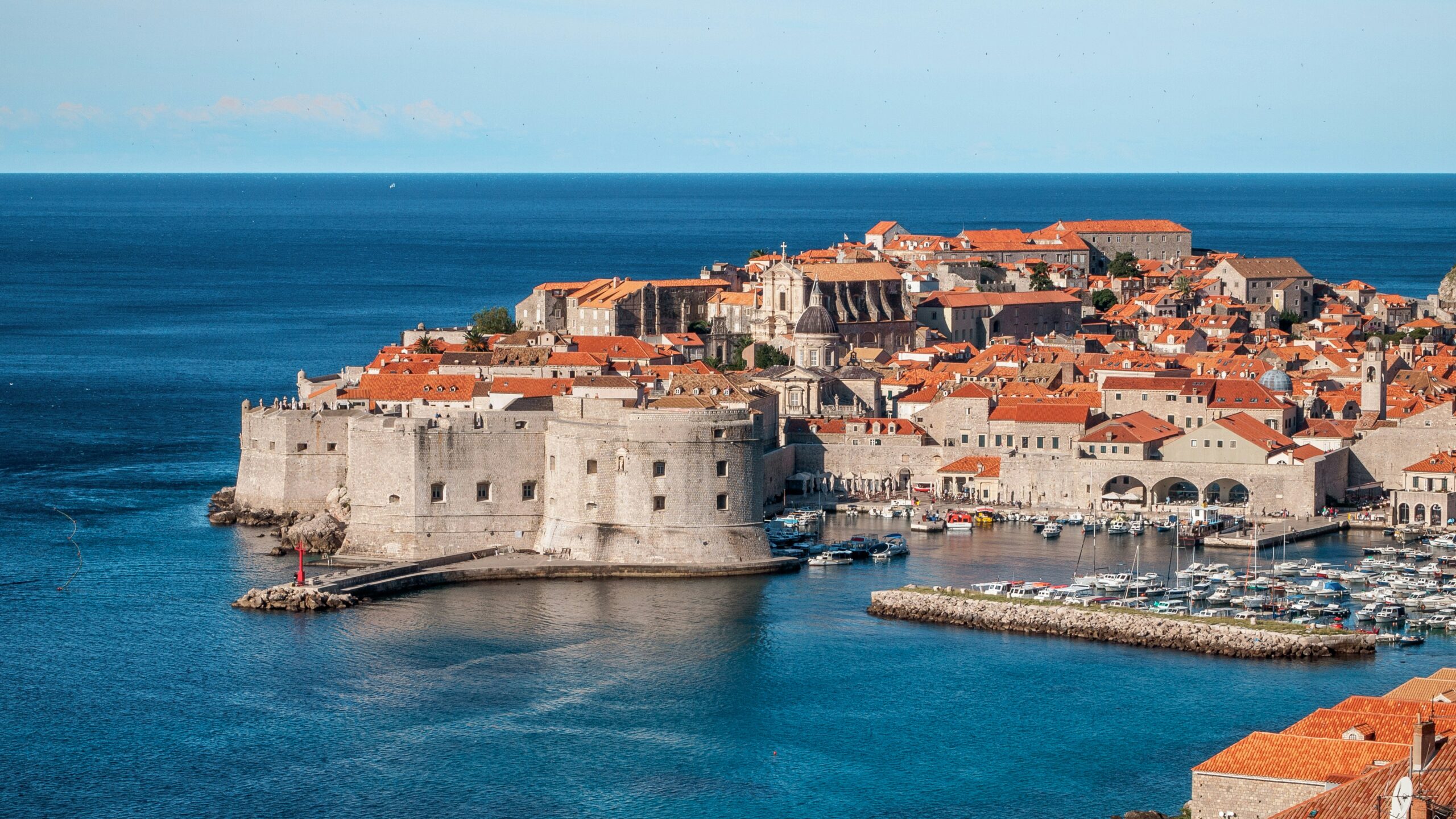
Dubrovnik in high season is a different problem to most cities. The old town fills with cruise ship passengers by nine in the morning and empties in the late afternoon when the ships leave. The city that remains after six in the evening, and again before eight in the morning, is a different city entirely: quiet stone streets, the Stradun almost empty, cats sleeping on the steps of the churches, the Adriatic visible through the Pile Gate.
We anchor outside the city in the summer and go in by tender in the early morning, before the first cruise tenders arrive. Two hours in the old city at dawn, when it belongs to the people who live there, is worth more than a full afternoon in the tourist version. The bakery on the side street off the Stradun opens at six. The fruit seller at the market gate sets up at half past. We are usually back on the boat by nine with a bag of provisions and a quality of morning that most people who visit Dubrovnik have never had.
Ceuta: Where Africa Begins
Ceuta is a Spanish enclave on the Moroccan coast, at the entrance to the Strait of Gibraltar. It is one of the places on the European route that most members have never been to and that consistently surprises everyone who goes. The medina behind the Spanish administrative centre has been there since the Moorish period and it has a quality of accumulated history that the more visited parts of Spain and Morocco have largely lost to commerce.
We stop in Ceuta on the passage toward the Atlantic because it is a natural fuel and provisioning stop and because it is worth stopping for its own sake. The walk from the marina up through the Spanish part of town, through the market, into the medina, and out the other side onto the hill above the city with Africa visible across the strait: this is one of those shore excursions that takes three hours and stays in the memory for years.
| City | What to do early | What to do in the evening |
|---|---|---|
| Bodrum, Turkey | Fish market at five, castle museum from opening | Teahouse in the old bazaar, sunset over Kos |
| Palermo, Sicily | Ballarò market provisioning with the chef, from seven | Street food in the Vucciria quarter, the city after dark |
| Dubrovnik, Croatia | Old town on foot before nine, empty Stradun, dawn light | Back aboard: the city after dark from the anchorage |
| Ceuta, Spain/Morocco | Medina in the morning, hill above the city | Spanish tapas in the port quarter, Africa visible from the terrace |
| Palma de Mallorca, Balearics | The cathedral at opening, the old Jewish quarter | Dinner at one of the small restaurants in Santa Catalina market |