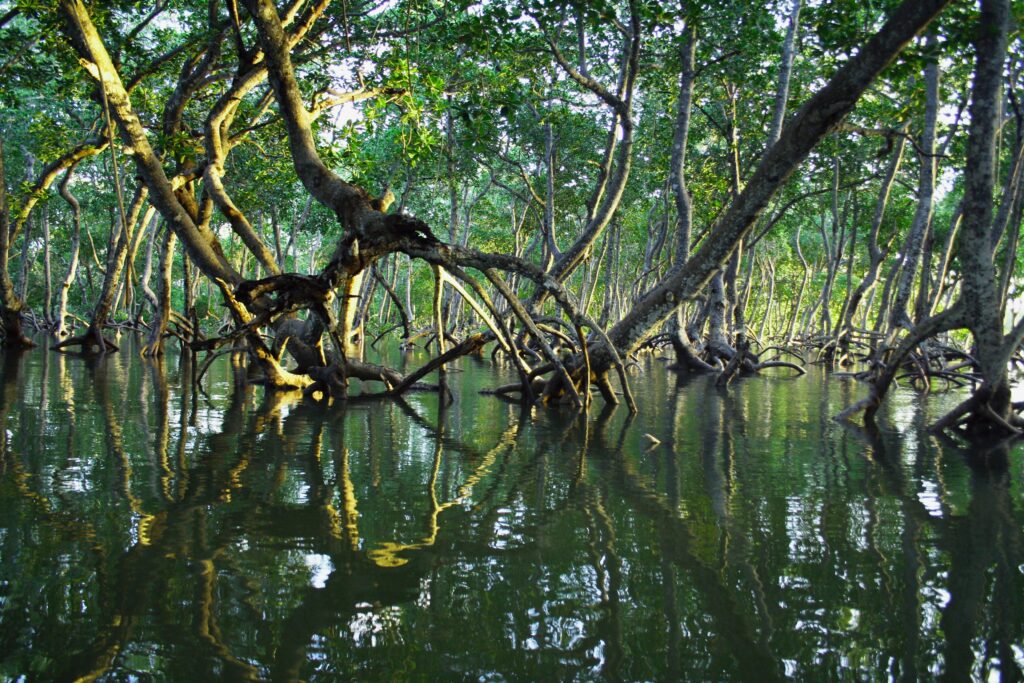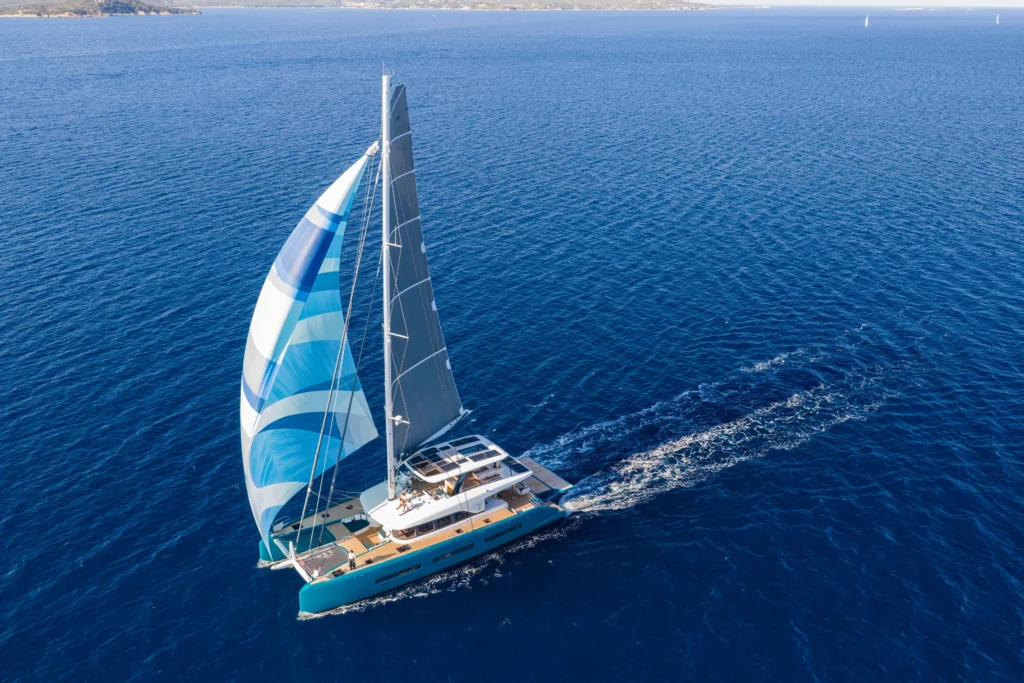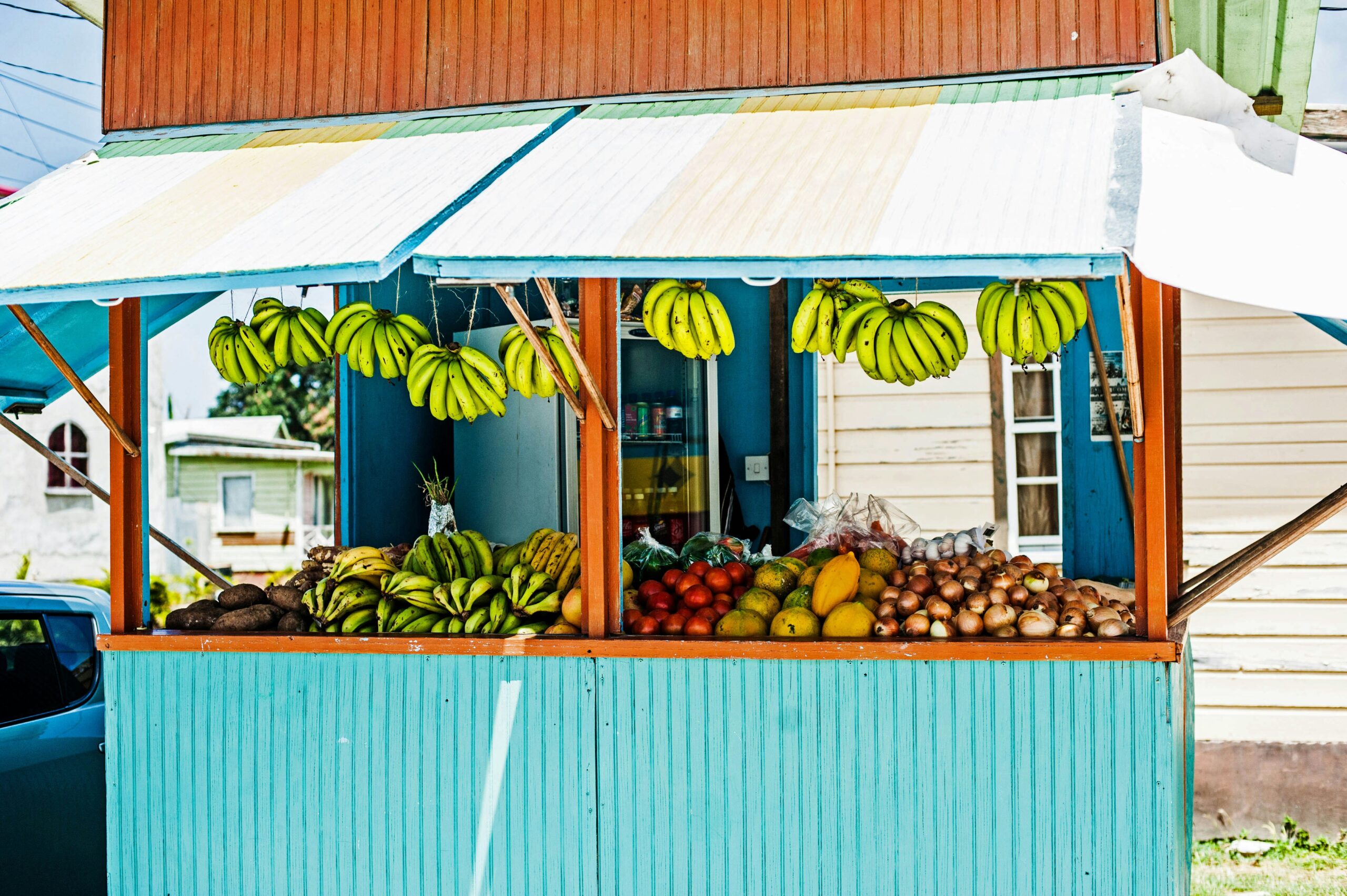
After the Atlantic crossing, the Caribbean arrives with a particular warmth that feels disproportionate to the distance. The air is different. The colours are different. The pace at which islands appear and disappear off the bow has a different character to the open ocean days that preceded it, and the transition from passage mode to island mode, from weeks of horizon to the immediate presence of land and community, takes a day or two to complete.
The Caribbean is not a single place. It is an archipelago of distinct cultures, different colonial histories, different cooking traditions, and different sailing characters, spread across a body of water that stretches from the Yucatan to Trinidad. We do not attempt to cover it comprehensively. We choose the parts of it that are most worth the time, and we spend enough time in each of them to understand something real rather than just collecting anchorages.
Where We Sail in the Caribbean
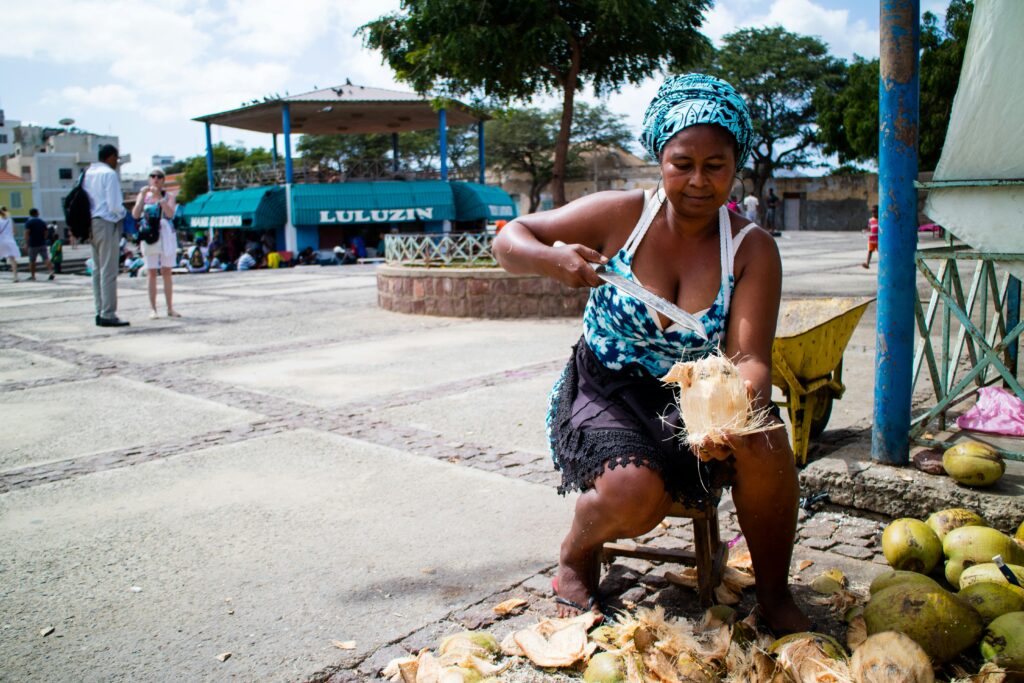
The Naora Caribbean chapter begins in Martinique, which is where the Atlantic trade wind crossing most naturally delivers a boat arriving from the Canaries. Fort-de-France is a working city rather than a resort, with a covered market that sells the finest provisions in the Caribbean and a waterfront that has not been entirely smoothed into tourism. We provision here, rest, and begin the southward move through the Windward Islands.
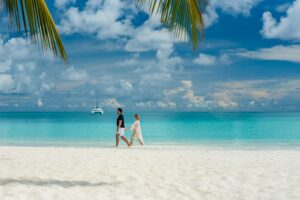
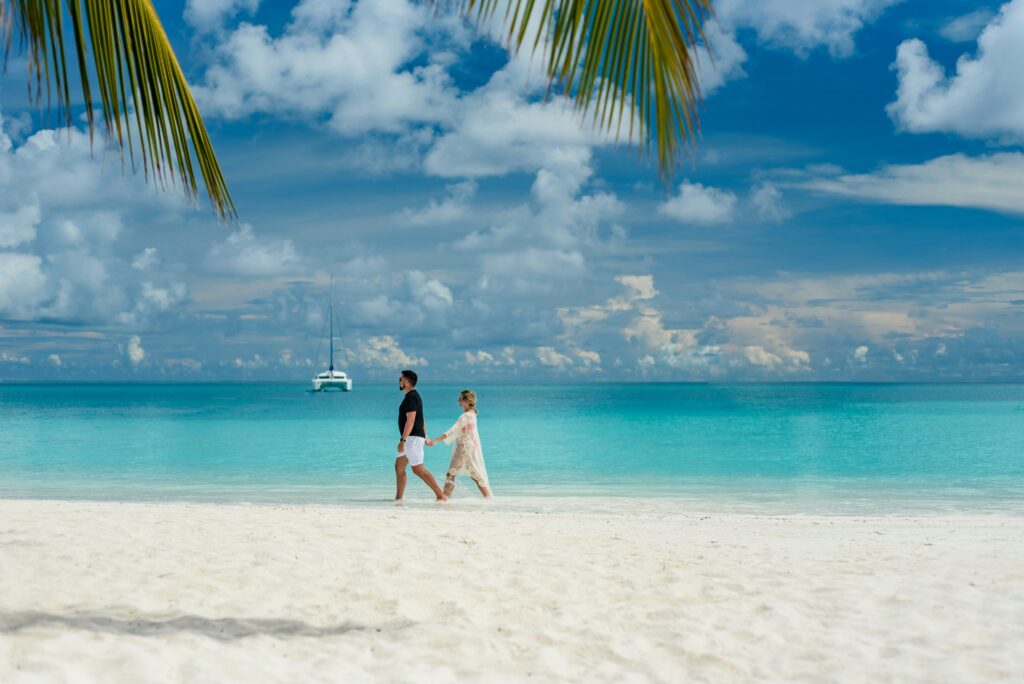
The Grenadines are the anchor of the Caribbean chapter. Tobago Cays, Mayreau, Canouan, Union Island, Petit St. Vincent: a chain of small islands and cays with some of the clearest water in the Caribbean, minimal development on the outer islands, and the kind of sailing between anchorages that takes twenty minutes and delivers you somewhere entirely different. We spend significant time here. The snorkelling at Tobago Cays is genuinely world-class. The anchorage at Salt Whistle Bay on Mayreau is one of the most beautiful in the Caribbean. The fishing in the channels between islands is excellent.
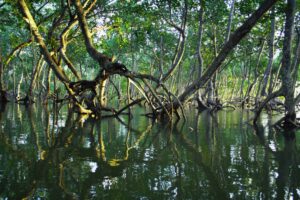
Dominica is the Caribbean island that most surprises members who have not been there. A volcanic island covered in rainforest, with no beach resorts and no mass tourism, Dominica attracts visitors who want to see what the Caribbean looked like before the hotels arrived. The diving at Champagne Reef, where volcanic vents warm the water and bubble up through the coral, is extraordinary and unlike anything else on the route. The Kalinago people, the last indigenous Caribbean community, live in a territory on the eastern coast and receive visitors with the particular pride of a culture that has survived five centuries of disruption.
We also sail north through the Leeward Islands when the season allows: Guadeloupe, Antigua, and the French islands of Les Saintes, a small archipelago off Guadeloupe that looks more like a Breton fishing village than a Caribbean island and produces cooking that reflects that heritage accurately.
The Character of Caribbean Sailing
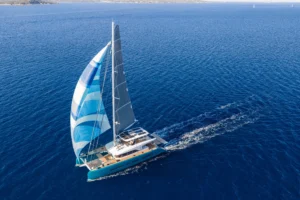
The Caribbean trades blow consistently from the east and northeast, typically at 15 to 20 knots, which means that sailing north is sailing into the wind and sailing south is sailing with it. The Naora Caribbean chapter moves generally southward through the Windward Islands before positioning for the Panama transit, which means we spend most of our Caribbean sailing with the wind in the aft quarter: fast, comfortable, spray-filled passages between islands that arrive before you have finished your coffee.
The squalls require attention. Caribbean squalls are visible from a distance as dark columns of cloud moving across the water, and an experienced eye can read their direction and intensity from several miles away. Sven has been sailing in Caribbean waters for years and reads the squall line as a matter of routine, adjusting sail and course before the rain arrives. For members on the afterdeck or the flybridge, a Caribbean squall at sea is one of those weather experiences that is dramatic, brief, and immediately followed by the fresh washed air and renewed visibility that makes the tropics feel alive in a way that temperate sailing does not.
Panama: The Threshold of the Pacific
The Caribbean chapter ends at Colon, on Panama’s Atlantic coast, where the Canal begins. The Canal transit is one of the logistical set pieces of the circumnavigation: a process managed by Panama Canal authorities, requiring line handlers, a designated pilot, and careful scheduling through the lock system. We handle all of this. Members experience the transit as a remarkable piece of human engineering seen from water level: the lock walls rising around the boat, the freshwater of Lake Gatun replacing the saltwater of the Caribbean, and the gradual descent toward the Pacific on the other side.
The moment the boat exits the Pacific-side locks and enters the Gulf of Panama, the circumnavigation enters its defining chapter. The Pacific is ahead. The trade winds are already out there, building from the southeast at 15 knots, blowing steadily toward the Marquesas and everything beyond. The Caribbean, which was home for a season, recedes behind the stern.
| Destination | Character | Why we go |
|---|---|---|
| Martinique | French Caribbean: urban, cultural, excellent provisioning | Natural arrival point from Atlantic crossing; Fort-de-France market |
| The Grenadines | Small islands, clear water, minimal development on outer cays | Finest sailing in the Caribbean; Tobago Cays diving; Mayreau anchorage |
| Dominica | Volcanic, rainforest, no mass tourism, indigenous culture | Champagne Reef diving; Kalinago community; the Caribbean before the hotels |
| Les Saintes, Guadeloupe | French island aesthetic, exceptional food | One of the most distinctive cultural stops in the Caribbean |
| Panama Canal | Engineering landmark, threshold of the Pacific | The end of the Caribbean chapter and the beginning of everything that follows |