Every port we anchor at is an invitation. A coastal path above the bay. A mountain track climbing away from the town. A long empty beach at six in the morning with no one else on it. One of the things we have learned over many Mediterranean seasons is that the people who get the most from the time ashore are the ones who arrive physically ready to use it. A steep trail in the hills above a Croatian bay at seven in the morning is one of the finest ways to start a day we know. But you need to be ready for it.
That is where the preparation with Antony begins.
Naora is a partnership of two: Sven, our founder and captain, and Antony, our co-founder. Sven plans every weather window and sails every leg himself. Antony helps members prepare for the time ashore, with an approach to sport built around one consistent principle: longevity over performance. Sustainable, progressive, with room for recovery. The aim is not to turn a sailing season into a training camp. It is to arrive ready for the routes that interest you, enjoy them at your own pace, and still feel like going out again the next morning.
For Naora members who want personal guidance on running, preparation, or nutrition, Antony is the starting point, from before you step aboard to a morning together ashore. This article is about what that looks like in practice.
Running In The Mediterranean: What We Find Ashore
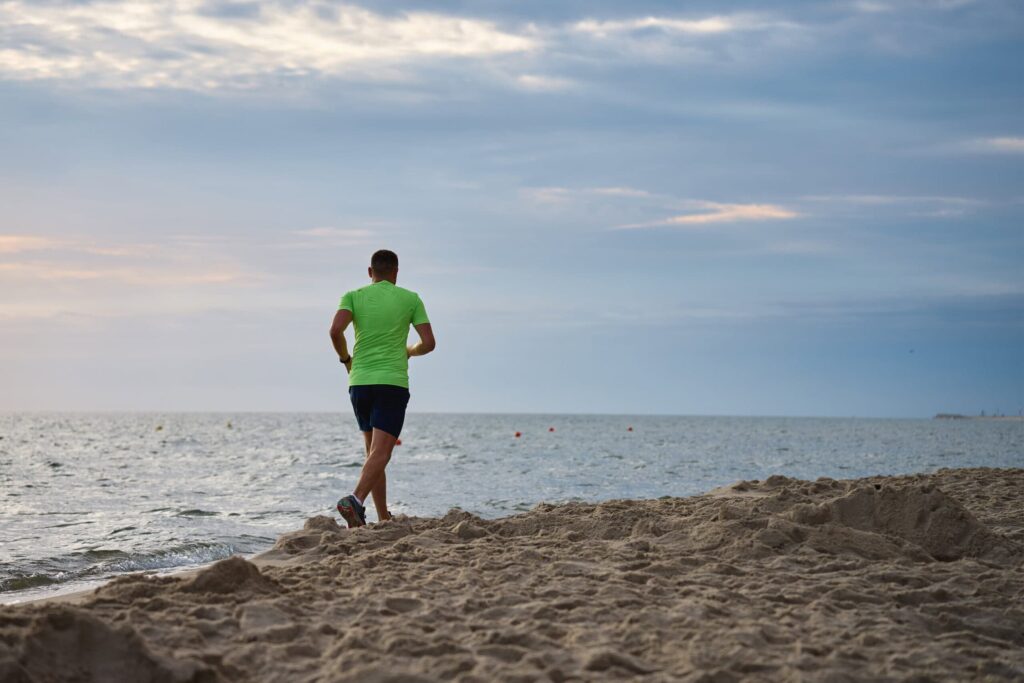
Every stop on the Naora route has something to run. The quality, character, and difficulty vary enormously, which is part of what makes it interesting across a full season.
In Turkey, the trails above the bays are often ancient goat paths through pine forest, with loose limestone underfoot and views down through the trees to the water. The heat builds quickly, which means early departure is not optional. We go at first light, before the boat has fully woken up, and return in time for breakfast. Sven sets the day’s sailing plan around the weather, and our time ashore fits around it.
In Greece, the Ionian Islands offer some of the finest coastal running in the Mediterranean. The roads are quiet in the early morning, though traffic still needs watching, and the paths above the cliffs on the western sides of the islands are a different quality of experience entirely: dramatic, exposed, with the Ionian Sea visible in every direction and almost no other people on them before eight in the morning.
Croatia’s Dalmatian coast has coastal paths connecting villages that have been walked for centuries, and running them in the early morning before the tourist traffic builds is genuinely excellent. The terrain is varied, the stone underfoot is rough in places, and the elevation change in the hilly islands demands a level of fitness that rewards preparation.
Sardinia, the Balearics, southern France: every region adds a different character to the running, and the accumulation across a full season builds a kind of geographic memory that is difficult to acquire any other way. You remember the route above a bay in Sardinia not because you looked it up, but because you ran it at six in the morning with someone who knew it, and the smell of the maquis in the heat is still specific and retrievable years later.
The Preparation: What Antony Works On Before You Board
The most common mistake people make with running is arriving unprepared and trying to do too much too soon. A trail that looks modest from the boat turns out to have a long, steep climb and loose rock on the descent. The heat adds a load that most people from northern climates underestimate. Accumulated fatigue from sailing, disrupted sleep patterns in the early days, dehydration during long days outside: all of these factors affect running performance and injury risk in ways that deserve attention before you set off, rather than halfway up a hillside.
Antony starts the conversation before members board. For those who want personal guidance, he gets a picture of where they are currently: what they are running, how often, what the injury history looks like, and what they want to be able to do on the trip. From there, he helps shape a preparation framework for the weeks before departure. Not a rigid training plan if that is not what the person wants, but a practical set of adjustments that allow time to prepare for the demands of Mediterranean terrain.
What The Pre-Trip Preparation Focuses On
Running on trail, particularly in heat, demands different things from the body than road running or gym fitness. The muscles that stabilise the ankle and knee on uneven terrain need specific preparation. A comfortable cardiovascular base helps, but pace still needs adjusting when the temperature rises. The feet and lower legs, including the plantar fascia and Achilles tendon, need gradual exposure to changes in surface and terrain. None of this is work to squeeze into the last few days before boarding.
The preparation Antony discusses with members focuses on three areas: gradual increases in running load in the weeks before departure, strength and balance work that can fit into ordinary days, and an honest assessment of existing vulnerabilities. Where an old injury or recurring pain needs specialist attention, that belongs with a qualified professional before the trip, rather than being ignored until it interrupts a morning ashore.
For people who want to work toward longer distances during the season, half marathon preparation being a specific goal for some members, the pre-trip period is where the foundation is built. Running fitness takes time. The work done in the eight to twelve weeks before boarding helps determine what feels comfortable on the trails above the bays, though the right preparation period depends on where you are starting and what you hope to do.
Nutrition: What Matters In Practice Aboard

Our approach to food follows the same principle as our approach to training: sustainable, practical, and specific rather than theoretical. Antony helps connect what members plan to do ashore with what we prepare aboard. This is not a clinical nutrition service, and individual medical or dietary needs deserve qualified advice. It is attention to the ordinary details: having something familiar to eat before an early departure, taking enough water, and coming back to a proper breakfast rather than leaving recovery until lunch.
The broad principles are straightforward: enough food to meet the day’s demands, protein to support tissue repair, carbohydrate to fuel and recover from running, and hydration that accounts for heat, effort, and individual needs. The Mediterranean gives us an excellent starting point. Fresh produce, fish, legumes, and olive oil are available in the ports we visit, and there is no need to make eating well more complicated than it is.
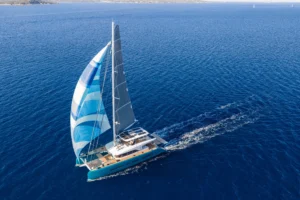
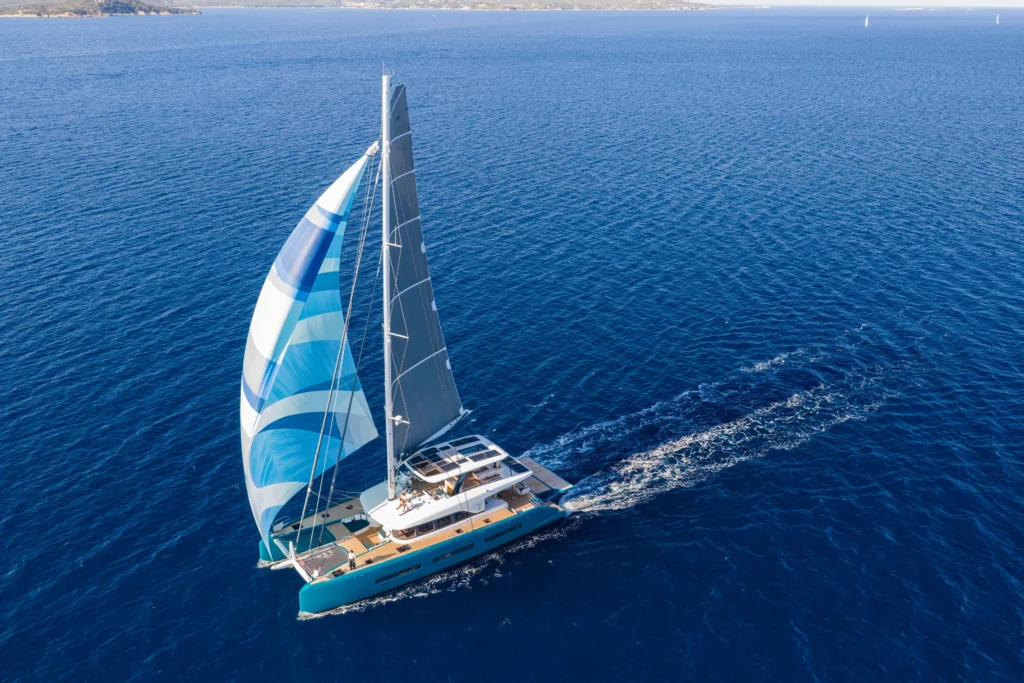
The Mediterranean diet is not a marketing term in this context. It is what our chef buys at the market in every port: fresh fish, olive oil, legumes, seasonal vegetables, good bread, quality fruit. Provisioned thoughtfully, the food aboard Discovery, our 2025 Lagoon Eighty2, makes it easy to eat well during a running week. Antony coordinates with our chef so that days with harder efforts ashore are followed by meals that suit the work done, the member’s appetite, and the rest of the day’s plans.
| Training context | What the body needs | What we eat aboard |
|---|---|---|
| Morning trail run in heat | Pre-run: familiar, light carbohydrate and fluids. Post-run: carbohydrate, protein, and replacement of fluids and salts lost through sweat | Bread and fruit before. Eggs with bread and vegetables after. Water and additional electrolytes where appropriate. |
| Longer effort day, 8 Nm or more | Carbohydrate before and during longer efforts, fluids suited to conditions, and a recovery meal with both protein and carbohydrate | Pasta or rice at dinner the night before. Chef prepares a meal with fish or legumes and a generous carbohydrate portion after the run. |
| Rest and recovery day | Enough energy for recovery, adequate protein, varied vegetables and fruit, and continued attention to hydration | Grilled fish with olive oil, fresh salad with legumes, seasonal vegetables, and bread or grains to appetite. |
| Building week, consecutive run days | Carbohydrate to support glycogen replenishment, regular protein across meals, and enough overall food for the training load | Provisioned specifically for the week: more grain-based meals, fish or legumes, local vegetables, and fruit readily available. |
Injury Prevention: Keeping The Whole Trip In Mind
The point of preparing for a running week is not to be the fastest person on the first morning. It is to enjoy the whole trip. That distinction matters more than it might seem at the start of a running journey. An injury can interrupt weeks of patient preparation, and fitness does not return on a timetable simply because a holiday has begun. In the context of a sailing trip where every port offers a new route and a specific window of time, an injury on day three is a different kind of loss.
Our approach to reducing injury risk has three components: load management, which means allowing time to adapt rather than adding distance and hills all at once; strength work, particularly for the muscles that support the joints under the demands of trail running; and honest self-assessment, which means recognising when discomfort calls for an easier day, a shorter route, or professional advice rather than another hard effort.
Recurring foot, heel, or knee pain deserves particular attention. Problems such as plantar fasciitis, Achilles tendinopathy, and IT band syndrome can begin as something a runner is tempted to overlook. Antony’s role is not to diagnose or prescribe rehabilitation. It is to keep those concerns in the conversation, adapt the plans ashore, and encourage appropriate assessment before a manageable concern becomes the thing that defines the trip.
For members who arrive with existing vulnerabilities, this is the first conversation. Not to discourage running, but to choose routes and efforts that respect the body rather than work against it. The goal is always the same: to be moving comfortably on the last day of the trip, with the freedom to enjoy another trail if you want to, rather than feeling obliged to finish a programme that no longer suits you.
What The Coaching Looks Like In Practice

The coaching is not formal and it is not scheduled unless you want it to be. It begins with a conversation, before or after boarding, about where you are and what you want. From there it is whatever is useful: a pre-trip preparation framework for the weeks before departure, practical discussion of food around your running, a joint run ashore when Antony and the member are on the boat at the same time, or simply an ongoing dialogue about what is working and what needs adjusting.
For members who want to work toward a specific goal, such as a half marathon, Antony helps fit their preparation around the trip timeline rather than treating every anchorage as a training opportunity. An existing coach’s plan can be part of that conversation. For members who simply want to run comfortably while they are aboard and come home feeling better than when they left, the discussion is less structured: how far feels right, which terrain appeals, and when a quiet morning aboard would be the better choice.
The mornings ashore, when Antony and a member run a coastal trail together before the boat day starts, are a simple part of what we want this to offer. Not because the running is the most dramatic thing that happens. Because there is something particular about being on a trail above a bay you sailed into the night before, in good air, moving well, with someone alongside who is paying attention and happy to take the morning at your pace.
- Pre-trip preparation conversations available from the moment you confirm your Naora place, weeks before departure
- Running routes considered around our Mediterranean anchorages, with terrain, heat, and the sailing plan in mind
- Meal planning coordinated with the onboard chef, so the food supports the running and recovery
- Injury risk considered from the start: gradual progression, strength work, and honest discussion of existing vulnerabilities
- Support fitting half marathon preparation around the trip for members working toward a specific distance goal
- Joint runs ashore when Antony is aboard, at whatever pace and distance suits the member and the conditions
If you want to know more about how the coaching works before you board, or what preparation would make sense for your specific situation, the starting point is the same as everything else at Naora: a conversation.