Not all journeys are designed to be booked. Some are designed to be joined.
A private sailing expedition is not a charter. It is not a cruise. And it is not ownership. Those are defined by structure: a fixed start, a defined end, a clear transaction. What we do at Naora is something else
How Most People Come to the Sea
For many, sailing starts with ownership. A boat that feels like the right balance between what you want and what is realistic. Not perfect, a little rough around the edges, but yours. It may not be large enough to bring everyone along, but that becomes part of it. A smaller crew. Simpler plans.
Time, however, is the real constraint. Work, family, and everything else that fills the calendar. So you sail when you can. Weekends. Holidays. Staying close to home, making the most of what is within reach.
The larger journeys, across oceans, into more remote parts of the world, remain somewhere in the background. Not impossible, but rarely within reach. And those are often the places where conditions are better. Where the weather is more stable. Where sailing becomes something else entirely.
Then there is the reality of ownership itself. Responsibility does not stop when you leave the dock. It continues before and after every moment on the water. Maintenance. Preparation. Endless small decisions that keep everything running. Time that could be spent at sea shifts into time spent maintaining.
Charter offers a different kind of access, but it comes with its own limitations. You fly in, sail a defined area, and return. The experience is contained, often within a single region, a single route. You see a place. But you do not move through the world. The journey itself, the transition between regions, the shift in rhythm, the sense of distance, is missing.
What a Private Sailing Expedition Actually Is
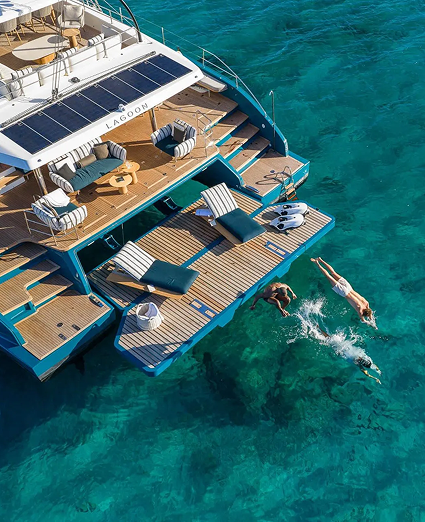
A private sailing expedition exists outside of both ownership and charter. It is not defined by either. It is a continuous journey, moving across oceans, seasons, and regions. You fly in at one point. You leave at another. Something that is difficult, if not impossible, to replicate with a private yacht or a traditional charter.
At Naora, the expedition is already in motion. Our five-year circumnavigation moves continuously through more than 185 destinations across the Mediterranean, the Atlantic, the Pacific, Southeast Asia, and the Indian Ocean. Members step into it at whichever point aligns with their life, stay for as long as makes sense, and leave again when it is time to return. The journey continues without them, and it is there to return to.
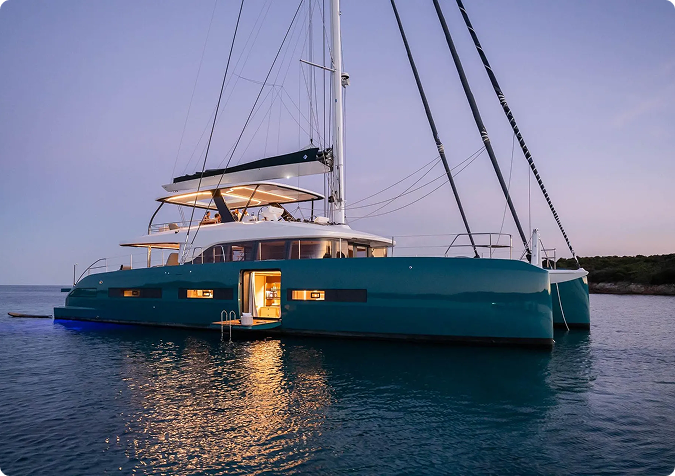
The vessel is always ready. Maintained continuously, by people who understand exactly what is required, often before it becomes visible. Your cabin is prepared before you arrive. The space is ready. Nothing needs to be set up. Nothing needs to be figured out. From the first moment, you are already part of it.
What Changes When the Overhead Is Removed
Ownership comes with a layer that is often underestimated. Responsibility. Preparation. Constant upkeep. On an expedition, that layer is removed.
That does not mean you are removed from the vessel. You can step in. Learn. Be part of what is happening. Our captain, Sven, has 25 years of offshore sailing behind him and the patience to bring anyone deeper into the experience who wants it. Or you can simply move with the journey. The choice is yours, and it is yours every day.
It also changes what you are exposed to. With ownership or charter, there is often a tendency to stay within what feels familiar. Short passages. Predictable conditions. Known waters. On an expedition, that shifts naturally. Longer crossings. Night sailing. Changing conditions. Not forced, but part of the rhythm. Experienced with people who understand both the environment and the vessel, and know how to move through it with confidence.
Ownership, Charter, and Expedition: An Honest Comparison
The three main ways people access life at sea look similar from the outside. The experience is quite different.
| Ownership | Charter | Private Expedition | |
|---|---|---|---|
| What you carry | Full responsibility: maintenance, mooring, upkeep, whether you sail or not | None, until you board, then the experience depends on how you organise it | Nothing. Everything is already in place before you arrive |
| Range | Determined by your time, your crew, and your vessel’s readiness | One region per booking, defined in advance | Continuous global movement across oceans and seasons |
| Access to remote places | Possible, but requires full planning and self-sufficiency | Limited to routes a charter company can support | Built into the journey: we go where conditions and timing allow |
| The people around you | The same circle, repeated | A fixed group, assembled for one trip | People join and leave along the way, evolving around shared values |
| Value over time | Cost continues regardless of use | Cost concentrated into a fixed window | Access defined in time: you pay for what you actually experience |
| Continuity | The boat is yours, but the journey rarely deepens | One trip ends and the next begins from zero | You return to the same vessel, same crew, same community across years |
The People You Share It With
One of the things that changes most significantly on an expedition is who is around you.
With ownership, it is often the same circle. Friends and family. The same stories, told again over the same waters. With charter, the group is defined in advance, different backgrounds brought together for a fixed period, and then dispersed.
On an expedition, it works differently. People join and leave along the way. The group evolves. Not randomly, but around a shared way of looking at things. Similar values. Similar intent. A certain way of moving through the world. The individuals change. The underlying dynamic remains. And that creates something that neither ownership nor charter can replicate: a community that deepens over time, across multiple seasons, across multiple oceans.
The people who find their way to Naora tend to share certain things without necessarily being alike in the obvious ways:
- A preference for depth over spectacle, and for earned experiences over arranged ones
- Enough freedom in how they structure their time to step away from the familiar for weeks or months
- Curiosity about the world that has not been satisfied by the standard version of luxury travel
- An understanding that the quality of who is around the table matters as much as where the table is
- Some version of the feeling that the sea is not just a destination, but a place where something in them settles
A Different Way of Living
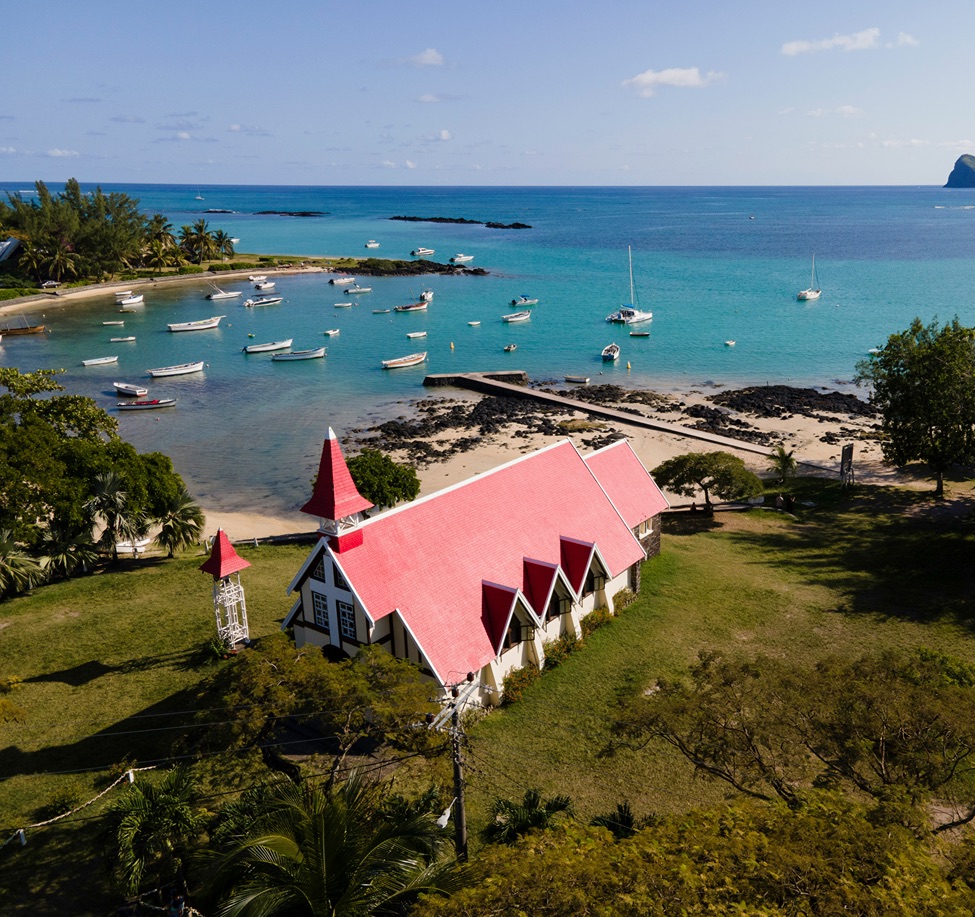
You do not follow a private sailing expedition from beginning to end. You step into it, at a point that aligns with your life, and leave again when it is time to return. Sometimes for a week. Sometimes longer. Sometimes more than once across a season. And over time, for some, it becomes something they return to, not out of plan, but because it naturally becomes part of their rhythm.
It also changes what becomes accessible. Surf breaks that are not crowded. Reefs that are not part of a standard route. Conditions that are not shaped by convenience but by timing. The kind of places that do not sit within standard itineraries and rarely align with fixed travel windows. It is not about chasing locations. It is about arriving when they are at their best.
What you eat, what you experience, what surrounds you: all shaped by the place itself. Nothing is fixed. And that is exactly the point.
The difference is not where you go. It is how the journey is structured. Some paths require you to build everything yourself. Others are already in motion. And for the first time, that makes it possible to simply experience what life at sea can be, without everything around it.