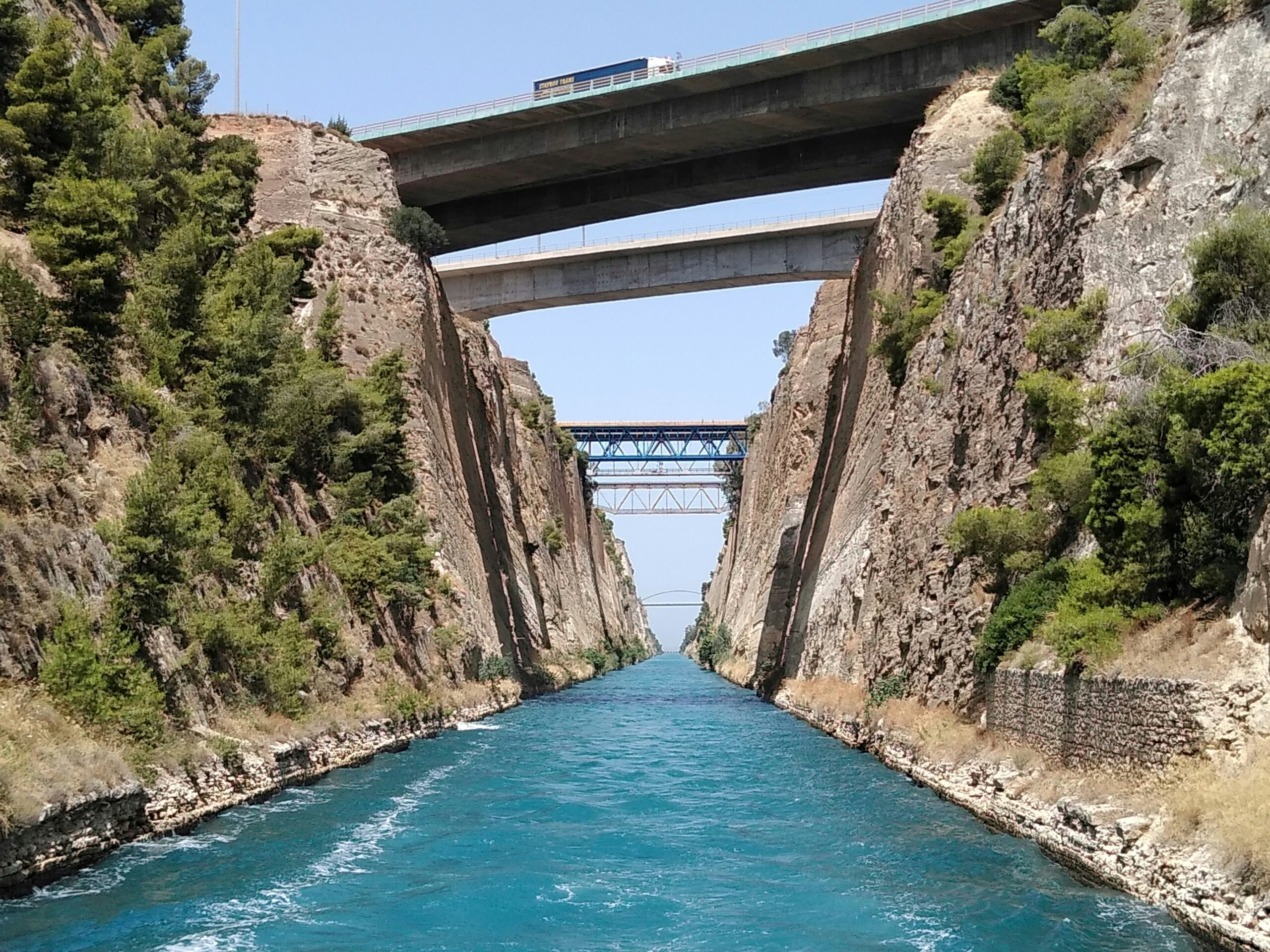
The Naora journey begins in Bodrum. Not because Bodrum is where the world starts, but because Turkey’s southwestern coast is one of the finest places on earth to begin learning how the Mediterranean actually works. The light, the wind, the rhythm of moving from anchorage to anchorage, provisioning in small towns rather than supermarkets, arriving somewhere new in the late afternoon and watching it change colour as the sun drops. All of it starts here, before we turn west and let the season carry us across the sea.
We have sailed the European Mediterranean many times. As a route, as a home, as the opening chapter of a five-year circumnavigation. What follows is not a list of famous destinations. It is an account of the places we go back to, and why. The anchorages our members tend to remember longest. The stretches of coast that reward people who are not in a hurry.
There is a version of European sailing built around marinas, restaurants with English menus, and bays you can find on any charter brochure. That is not the version we sail. Ours takes longer to reach, requires more patience, and leaves people with memories that are harder to explain and more difficult to forget.
Turkey and the Beginning: Bodrum to the Greek Border
We begin the Naora European season in Bodrum. It is an extraordinary place to start: a working town with genuine character, a sailing culture that predates the tourism industry by centuries, and a coastline east and west of it that most visiting yachts barely scratch. The Bodrum Peninsula has more protected bays than you can reasonably visit in a single season, and the water quality in the smaller ones is exceptional.
From Bodrum we work our way into the gulfs of Gokova and Hisaronu before crossing into Greek waters near Rhodes. This is the stretch of coast where the Naora journey begins to find its rhythm. The days become structured around the light and the wind rather than a clock. Members who join us here tend to decompress faster than they expect to. Within a week, the cadence of life at sea has replaced whatever they arrived with.
Greece: The Anchorages We Keep Coming Back To
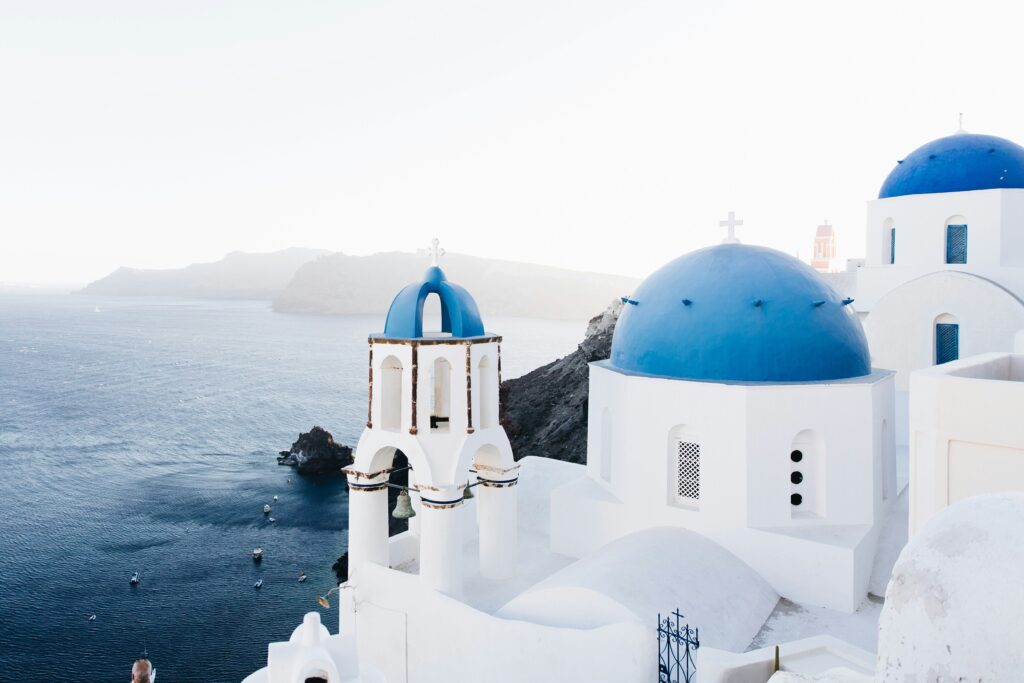
Greece is where the Mediterranean starts to feel like something you could spend a lifetime in and still not finish. Thousands of islands, a coastline that changes character every hundred miles, and a culture of hospitality at sea that has not changed as much as you might expect. We spend a significant portion of our European season here, and we move through it slowly.
Symi, in the Dodecanese, is one of our first significant stops after crossing from Turkey. The main port is one of the best-preserved neoclassical harbours in the Aegean, and Pedi Bay just to the south gives us clean holding, quiet nights, and an easy walk into town for the kind of dinner that reminds you why Greek cooking at its simplest is still among the finest in the world. We tend to stay here longer than originally planned. It has that effect.
Moving into the Ionian, Paxos is the anchorage that members mention most often when they are back on land. Specifically Lakka, on the northern tip of the island: a natural bay with sand at five to six metres, protected from the northwest through to the east, and surrounded by the kind of low hills and olive groves that make Greece look exactly as it does in the imagination of people who have never been. We anchor here, swim, and eat on deck. There is very little else required.
For the members who want something quieter, we take the boat to Irakleia in the Cyclades. Fewer than a hundred people live there. The anchorage at Agios Georgios is well-sheltered, the diving on the outer reef is genuinely world-class, and the island smells of thyme and dry stone in a way that you cannot find in any of the places that appear on best-of lists. We do not tell many people about Irakleia. That is partly the point.
How We Read the Aegean Wind
The Meltemi is the defining feature of Aegean sailing between July and August. It blows from the north, sometimes hard, and it shapes every routing decision we make in that stretch of the season. We plan our passages for the morning, before the wind builds. We use the lee sides of islands deliberately. Our captain, Sven, has been reading the Aegean’s weather patterns for years, and that knowledge is reflected in how smooth the passages feel even when the conditions are technically demanding. Members rarely notice the work that goes into making the days feel effortless. That is exactly how it should be.
Our preferred Aegean strategy is to move during the cooler, calmer shoulder months of May, June, and September. The anchorages are quieter. The wind is more varied and interesting. The sea changes colour differently when you are not competing with a hundred other boats for the same bay at the same time.
Croatia: What We Find When We Sail Past the Obvious
Croatia is one of the most beautiful coastlines we sail, and also one of the most crowded in peak season. We have learned, over many years, that the two things are not incompatible. You simply need to know which direction to turn when the popular bay is already full.
Lastovo, in the far south of the Dalmatian coast, is where we go when we want Croatia without the noise. It is remote enough to deter most charter traffic, close enough to more connected islands when we need to provision, and home to anchorages that feel genuinely undiscovered. The island has a pace to it that the more famous stops, Hvar, Korcula, and Brac among them, lost some years ago.
Uvala Stiniva on the island of Vis is the anchorage we bring members to when they want to understand what the Adriatic is actually capable of. Towering limestone cliffs on both sides, a narrow entrance that opens into a completely enclosed bay, water that shifts between deep navy and translucent turquoise depending on the time of day. It is one of the most dramatic places we anchor anywhere on the European route, and it requires exactly zero explanation. You arrive, you look, and you understand immediately.
The Western Mediterranean: France, Spain, Sardinia
The western Mediterranean demands a different kind of attention. The passages are longer. The Mistral requires respect and planning. The marinas in the famous places, Saint-Tropez, Ibiza, Porto Cervo, have a particular energy that we generally prefer to observe from the water rather than participate in directly. We anchor off, go ashore when it suits us, and leave when we are ready. That is one of the things that Naora offers that a hotel or a villa cannot: the option to be near without being inside.
In France, the Hyeres Islands are our first significant stop after rounding the corner at Toulon. Porquerolles and Port Cros are national park islands, which means almost no development, minimal boat noise at night, and anchorages that feel genuinely preserved. The Bay of Alicastre, with its pine forest dropping to a sandy beach and water clear enough to see the anchor from the deck, is a regular overnight stop. We eat dinner on the flybridge here and sleep with the hatches open. It is the kind of anchorage that makes the Mistral passage to get here feel entirely worthwhile.
In the Balearics, we take our time. Formentera’s Ses Illetes beach is as good as its reputation: a long tongue of white sand with shallow turquoise water on both sides and space enough, in June or September, to feel like we have it largely to ourselves. We anchor here, take the paddleboards out, and let the afternoon go at whatever pace it chooses. Cala d’Hort on Ibiza’s southern coast is the one we go to for the evenings: the silhouette of Es Vedra on the horizon as the sun drops behind it is one of the most reliably beautiful things we see anywhere on the European season.
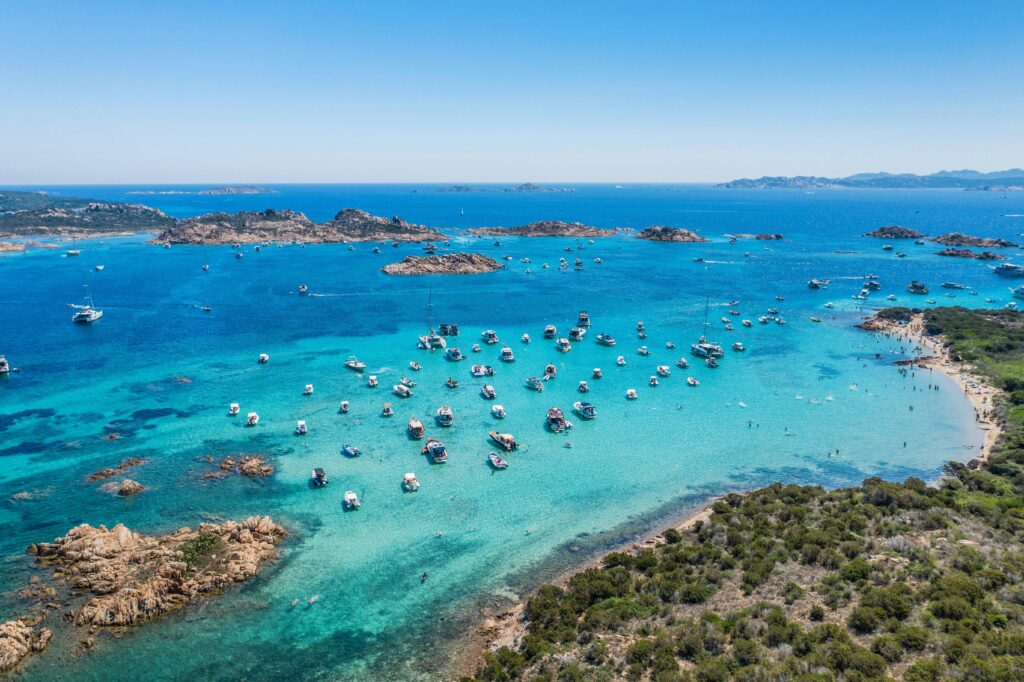
Sardinia deserves more time than most boats give it. La Maddalena archipelago, and specifically Cala Coticcio, is the anchorage we return to more than almost anywhere else in the western Mediterranean. Granite boulders in every direction, water of extraordinary clarity, and a bay so protected it feels like a private lagoon. We have anchored here in the late afternoon with no other boats present and sat quietly until dark. There are very few things we have found in European sailing that match it.
Our Anchorage Ground Guide for the European Mediterranean
Every region we sail has a different character below the waterline as well as above it. Holding ground, depth, wind protection, and crowd timing all shape whether a bay works for a night or just for lunch. This is how we read the main regions we move through each season.
| Region | Seabed and Holding | Typical Depth at Anchor | Wind Protection | Best Time to Arrive |
|---|---|---|---|---|
| Turkish Aegean coast | Sand and mud, generally excellent holding | 4 to 10 metres in the gulfs | Good in the gulfs of Gokova and Hisaronu, less so on exposed headlands | Morning, before the afternoon thermal builds |
| Greek Dodecanese | Mixed: sand in bays, rock and weed on exposed coasts | 5 to 15 metres, drops quickly near cliffs | Variable: island orientation matters more than regional wind | Shoulder season for the best-held bays with space |
| Greek Ionian | Sand and mud, among the most reliable in the Mediterranean | 4 to 8 metres in the main anchorages | Excellent in most bays, well-sheltered from the afternoon Maestro | Afternoon arrival, early morning departure |
| Dalmatian Coast, Croatia | Rock and weed with sand patches, requires a good set | 5 to 12 metres, stern lines often needed | Good in the enclosed channels between islands | Early afternoon to secure a stern-to position in the best bays |
| Balearic Islands | Fine white sand, outstanding holding in most coves | 3 to 7 metres in the main calas | Most calas protected from two or three directions; check the specific wind | Before midday in July and August, any time in shoulder season |
| Sardinia, La Maddalena | Sand between granite outcrops, excellent once set | 4 to 8 metres, shoals quickly near rocks | Very well-protected inside the archipelago | We prefer arriving late afternoon when the day-trip boats have left |
| French Hyeres Islands | Sand with Posidonia meadows, anchor carefully to avoid them | 5 to 10 metres | Good protection from south and east in the main bays | Weekdays and shoulder season, peak summer fills early |
What We Have Learned About European Sailing After 25 Years of It
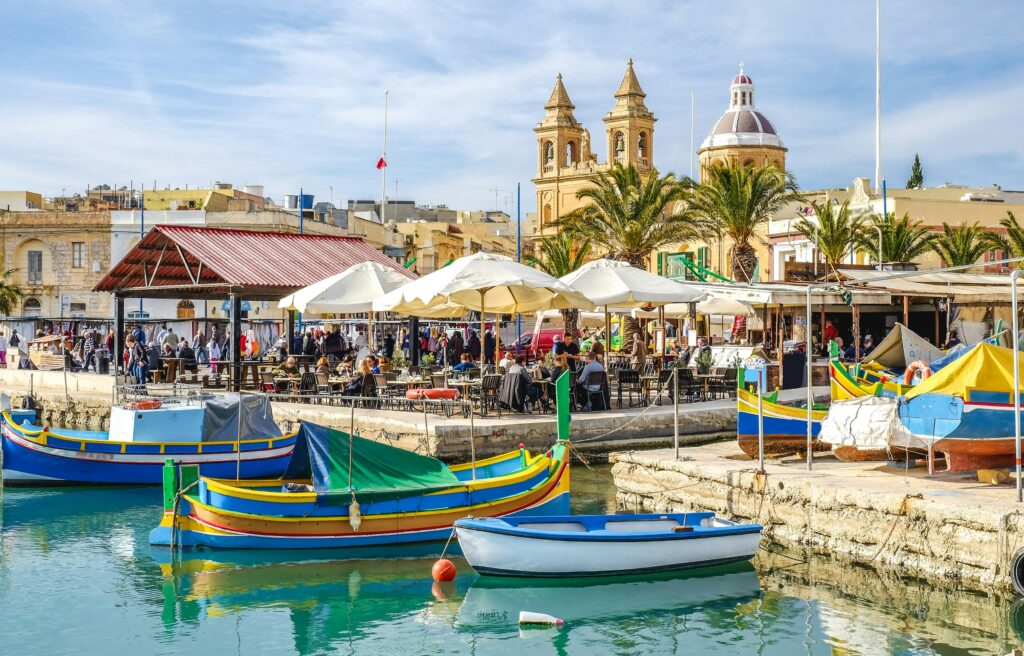
We have been sailing the European Mediterranean for a long time. Long enough to have opinions about which bays have changed and which ones have not. Long enough to know which islands are worth the reputation and which ones are coasting on it. Long enough to have stopped relying entirely on sailing guides and to trust, instead, what 25 years of accumulated observation tells us about where to be and when.
The things that make an anchorage worth returning to tend to be the same things that cannot be photographed. The way the water sounds against the hull at two in the morning. The particular quality of silence in a bay that has no road access. The smell of the maquis in Corsica when the wind is offshore. A meal that cost almost nothing and tasted extraordinary because it was eaten in the right place at the right time with the right people.
These are the things our members tell us about when they step off the boat. Not the landmarks. Not the famous places. The small, specific moments that arrived without announcement and stayed.
That is what we try to create, season after season, anchorage by anchorage, across the European waters that form the opening chapter of the Naora journey. The places we return to are the ones that have given us something we did not expect.
The anchorages that stay with you are the ones you find by being out longer.